

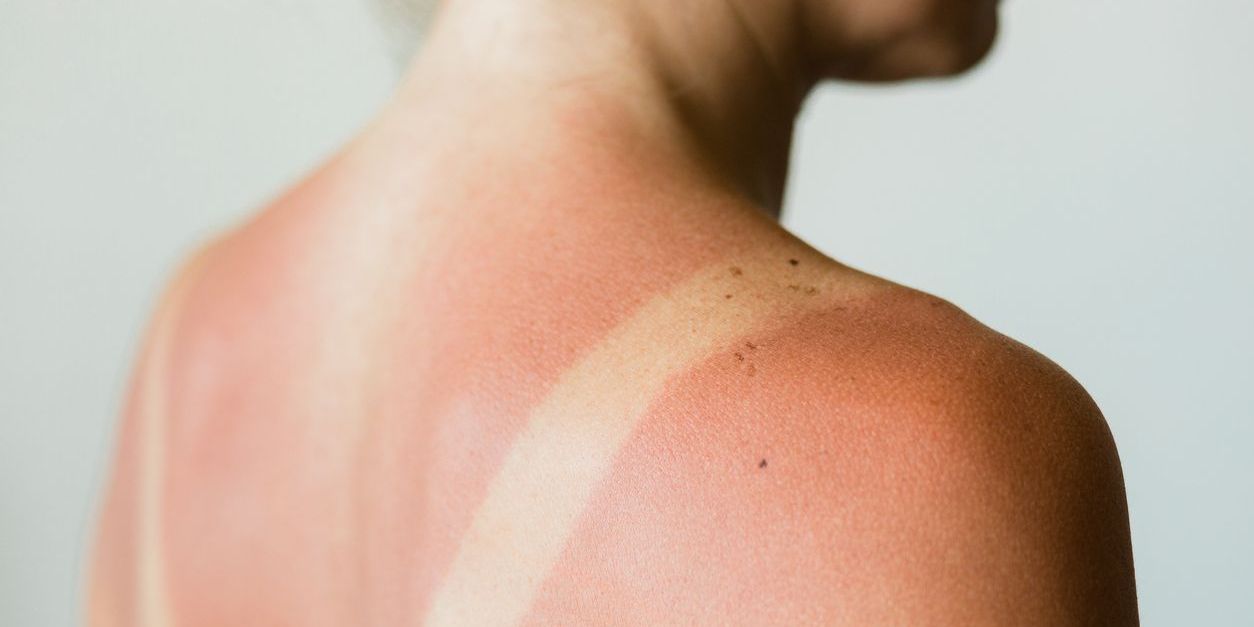
An estimated 88.1 million adults in the United States experience a sunburn every year, with one-half of those reporting having used sunscreen. But have you ever wondered why your skin peels after a sunburn or what's really happening beneath the surface?
Sunburns are more complex than we realize. They aren't just a temporary inconvenience. Their consequences can extend long after the burn fades.
As a board-certified family medicine physician at PartnerMD, I often tell my patients that a sunburn is much more than red skin. It's a form of radiation injury that can have lasting effects. I also help them understand what a tan really means and how repeated sun damage promotes photoaging and the risk of skin cancer.
In this article, you'll learn the exact science behind a sunburn and helpful insight including:
- How UVA and UVB rays damage your skin and cause sunburns.
- What happens inside your skin after UV rays damage your DNA.
- Why your skin peels after a sunburn and how apoptosis helps protect your body.
- Which layers of your skin are affected during a sunburn and what they do.
- How repeated UV exposure contributes to photoaging, skin cancer, and your skin's biological memory.
The science behind a sunburn reveals why even a temporary burn can have lasting effects on your skin's health.
How Does UV Radiation Create a Sunburn?
Did you know that a sunburn is a form of radiation injury? When we experience one, we often imagine just a few days of being uncomfortable. In reality, having one is your body's response to cellular damage that has occurred deeper in the skin.
Ultraviolet (UV) radiation is something invisible to the naked eye, and both UVB and UVA rays affect our skin cells differently. However, both can cause damage to DNA and contribute to skin cancer.
How they differ:
- UVB rays have shorter wavelengths and higher energy that mainly affect the outermost layers of the skin and are the main cause of sunburn.
- UVA rays penetrate deeper into the skin and play a major role in the prolonged effect of sun damage, including skin aging.
UV radiation reaches your skin in tiny packets of energy called photons. Every time your skin is exposed, billions of these interact with your cells.
Your skin can normally withstand this damage, but it reacts with a sunburn when it can no longer repair itself.
What Does the Process of Skin Cell Damage Look Like?
The forefront of UVA radiation occurs inside the nucleus of skin cells where your DNA is stored.
Skin cell DNA contains the necessary genetic instructions that tell cells how to function. Luckily, when UV radiation directly alters the structure of a DNA molecule, our bodies have a well-equipped repair system.
Repairing begins with specialized enzymes that scan DNA for damage and remove the injured sections before replacing them. Although, when the damage is so intense and has accumulated too quickly, the body goes into an emergency response.
Apoptosis: Why Your Skin Peels After a Sunburn
During an active sunburn, our body goes through a regulated process known as Apoptosis, which is essential for normal development and tissue maintenance.
When UV rays severely damage a skin cell's DNA, the cell performs its own version of a self-check. If the damage is small, it pauses and repairs itself. But if the damage is too extensive, the cell activates apoptosis and disconnects itself before it can become dangerous and cancerous.
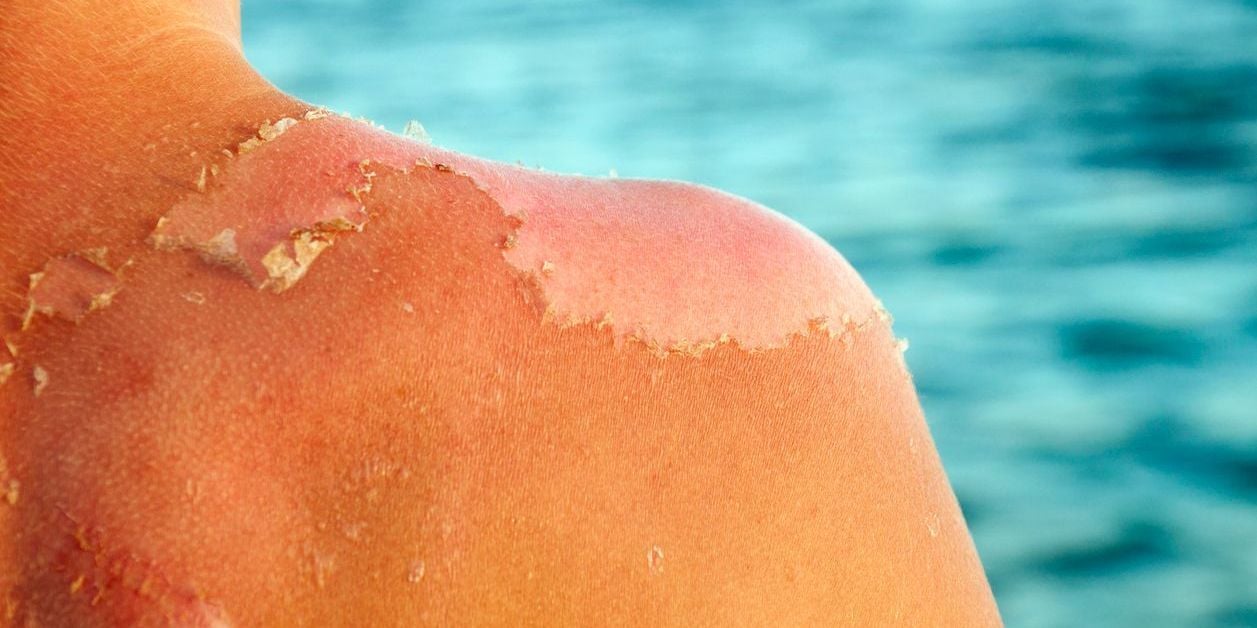
As a result of this process taking place, your skin has a unique protective mechanism: peeling.
When your skin peels, the old, damaged skin cells are being shed to create space for new ones.
Why Does a Sunburn Not Appear Immediately?
The appearance of a sunburn might not happen immediately, but it can occur within six to 24 hours after sun exposure.
The reason for the delay? The redness reflects the inflammatory response from the damage. Injured skin cells release chemical signals that alert the immune system, triggering blood vessel dilation and increasing blood flow to the specific area. This redness is your body's visible response to injury.
An inflammatory response creates increased blood flow. This can cause the affected area to feel hot to the touch and even uncomfortable when wearing certain clothing. Aloe vera gel, cool compresses, and fragrance-free moisturizers may help to provide some relief.
With severe burns, swelling may develop as fluid leaks from the blood vessels to the surrounding tissues.
The Skin's Layers During a Sunburn
The effects of a sunburn don't just exist on the skin's surface. In fact, the damage goes even deeper. Our skin is made up of three layers, including the epidermis, dermis, and hypodermis.
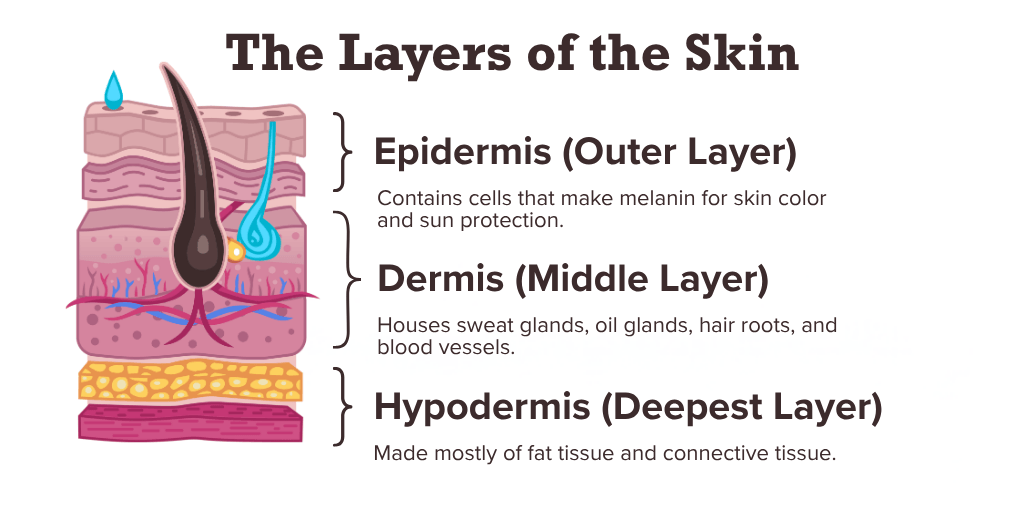 While all layers are important, the epidermis and dermis are the primary ones affected during a sunburn.
1. Epidermis
When your skin peels, the epidermis is affected. This thin, outermost layer acts as a protective, waterproof shield responsible for keeping water inside your body and giving your skin its color. Every month, it renews itself by making new skin cells.
2. Dermis
The dermis, which is the skin's middle layer, protects you from harm while its nerve endings allow you to feel pain, touch, and temperature. Inside this skin layer, collagen and elastin work together to house your hair follicles, sweat glands, and oil glands. While collagen provides strength and support, elastin allows the skin to stretch and return to its original shape.
After repeated UV exposure, both of these become affected, causing the skin to become thinner, have less elasticity, and form wrinkles. This process is known as photoaging.
What Is Photoaging?
Photoaging is the result of several years of exposure, not just from one bad sunburn. This premature aging is linked more closely to UV exposure than chronological aging alone.
Most people often think that UVB is the main cause of photoaging, when UVA rays are actually the culprit.
In other words, someone who might not burn as often can develop sun damage over time. As UVA rays penetrate deep into the skin, they generate unstable molecules known as reactive oxygen species (ROS), or free radicals. These molecules create oxidative stress that damages skin cells and structural proteins.
Signs of Photoaging
Photoaging can appear in many ways and is more prevalent in areas that receive frequent sun exposure, such as the face, neck, chest, shoulders, forearms, and back of the hands.
Common signs include:
- Fine lines and wrinkles
- Sagging skin
- Rough or leathery skin texture
- Uneven skin tone
- Age spots
- Freckles that become darker or larger in quantity
- Broken blood vessels
What Having a Tan Actually Means
If there's one thing we look forward to with the sun, it's getting a golden tan. You may have heard that having a tan means you have youth and vitality. In reality, it means that your skin is responding to injury.
When UV rays damage DNA, specialized skin cells called melanocytes produce more melanin, the pigment that darkens the skin. Melanin is what helps absorb some UV radiation and provides limited protection against additional damage. A darker pigment on your skin is shown as a response to this damage.
The Connection to Skin Cancer
The most important, long-term consequence of sun damage is cancer risk. While most damage can be repaired successfully, some mutations escape detection.
Over a period of time, these mutations accumulate in genes that control how cells grow and divide.
The more these mutations build up, the more likely a normal cell is to eventually become cancerous, increasing the risk of common skin cancers such as basal cell carcinoma and squamous cell carcinoma. In fact, severe sunburns from childhood and adolescence have been associated with an increased lifetime risk of melanoma, the deadliest form of cancer.
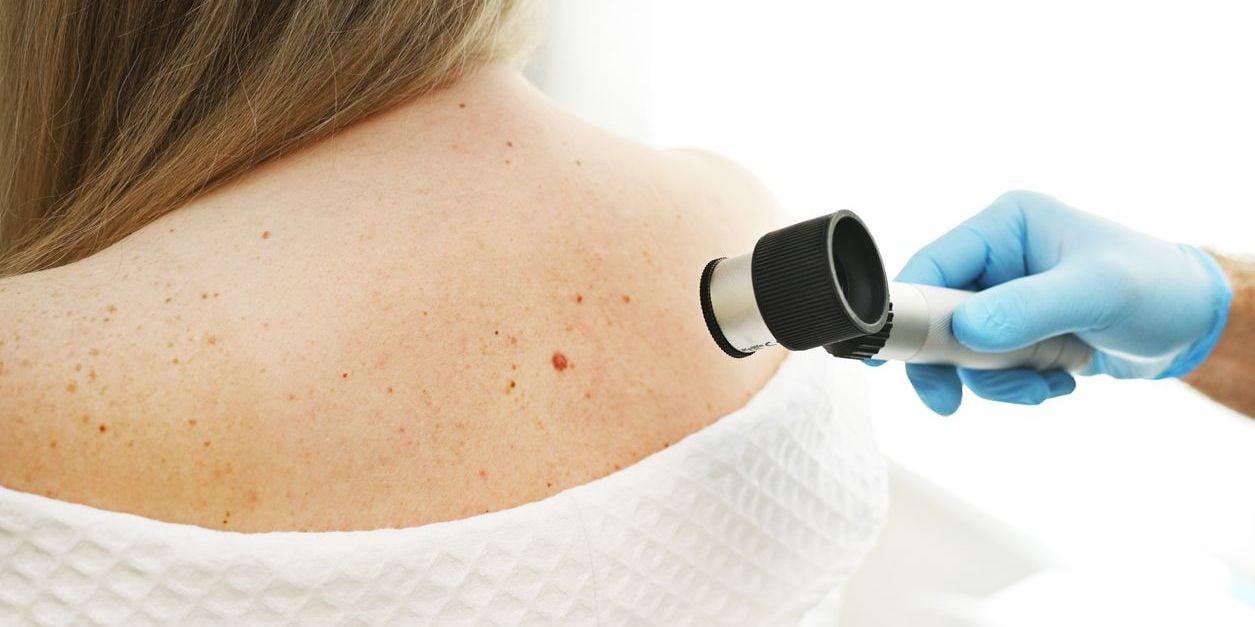
Curious about how to spot melanoma? It's important to complete regular screenings like self-exams or having your physician take a look. One method known as the ABCDE system, is a helpful guide to recognizing what could be a flag for concern.
Although a sunburn may heal within a few days or weeks, your skin doesn't forget the damage.
Your skin has a biological memory, meaning that some UV-induced mutations can remain in surviving skin cells for years, even when the redness and flaking has faded away. These altered cells can exist for years without ever causing signs of a problem.
Prevention and the Investment of Your Future Health
When it comes to taking action with your health and preventing sunburn, consistent protection is key. Make sure to seek shade during key sunlight hours and use a broad-spectrum sunscreen daily, especially on days that you plan to be more exposed to the sun's harmful rays.
The redness from a sunburn may disappear within days, but the DNA damage can last much longer. Every time you protect your skin, you're reducing the cumulative damage that contributes to premature aging and skin cancer. Small choices today can have a lasting impact on your future health.
Stay Healthy With PartnerMD
Your skin is just one part of your overall health. Want more physician-backed insights? Follow PartnerMD on social media for expert guidance from our physicians on topics ranging from skin health and cancer prevention to nutrition, exercise, and preventive medicine.
/Copy%20of%20Socials%20CTA%20(771%20x%20111%20px).png?width=771&height=111&name=Copy%20of%20Socials%20CTA%20(771%20x%20111%20px).png)
