

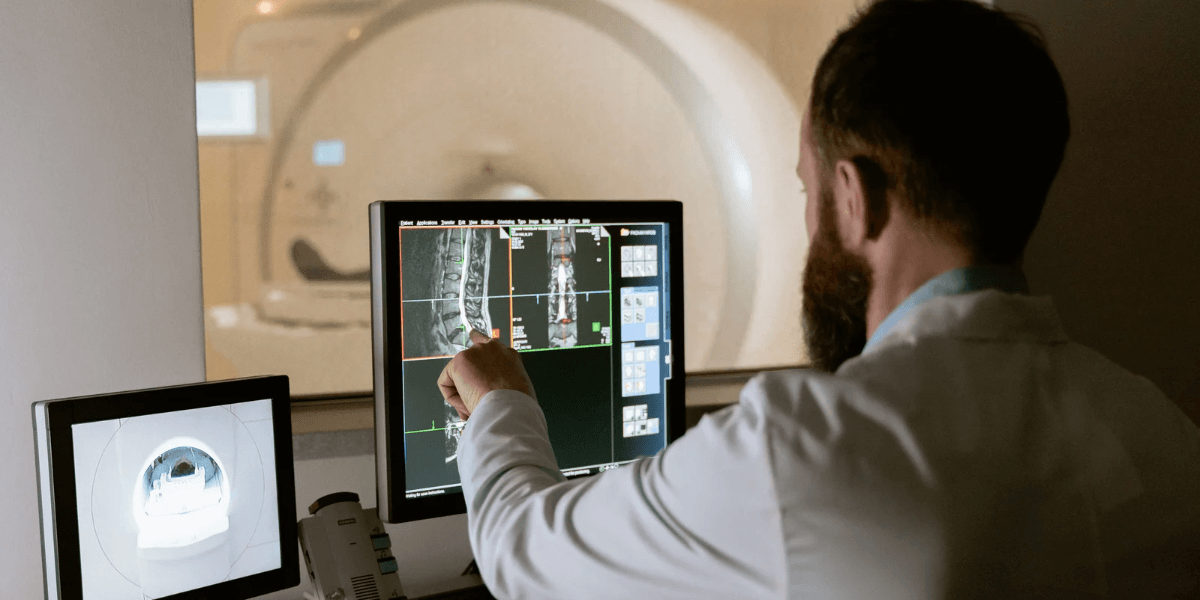
What if a medical scan could reveal something about your health before you ever experienced symptoms?
According to a 2026 systematic review published in the Journal of General Internal Medicine, approximately 78% of people undergoing whole-body MRI screening had at least one finding reported on their scan, although not every abnormality required further evaluation.
Whole-body MRI scans are gaining attention as a preventive health tool, but it's important to understand what they can and cannot reveal. While some people are interested in discovering potential health concerns before symptoms appear, others may feel anxious about the scan itself or the possibility of unexpected results.
As a family physician at PartnerMD, I help patients understand their preventive screening options and determine whether a whole-body MRI or another type of scan may be more appropriate for their individual health needs.
When it comes to whole-body MRI screening, there are a few important questions to consider:
- What can a whole-body MRI scan detect, and what might it miss?
- How much does a whole-body MRI cost, and is it covered by insurance?
- If something unexpected is found, how is it evaluated and what are the next steps?
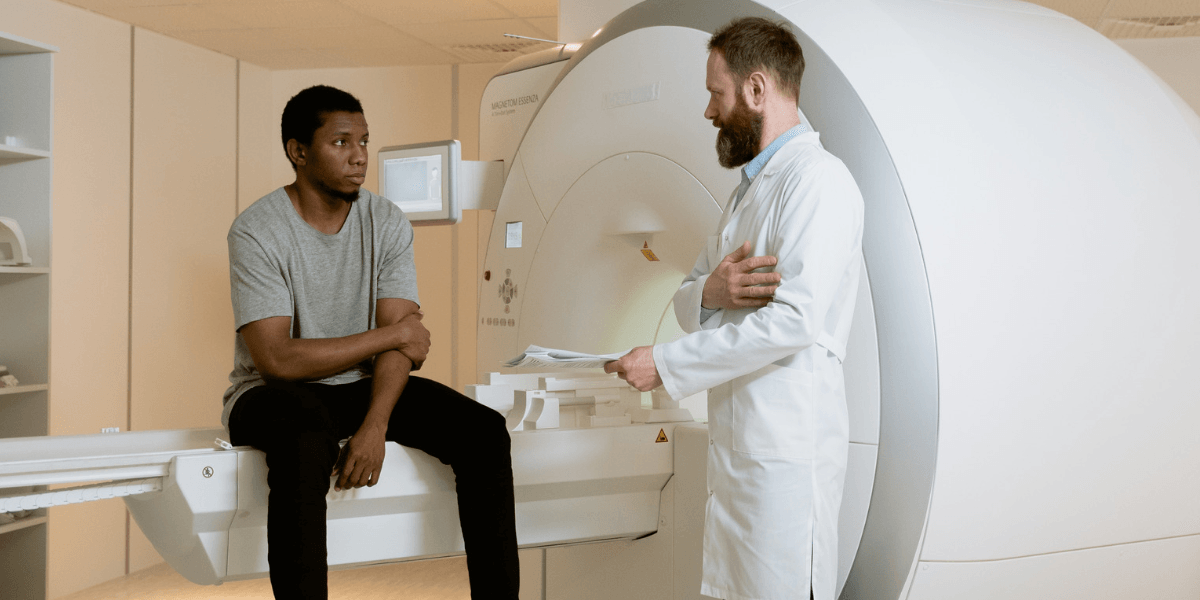
These questions lead to one final thought: Could a whole-body MRI scan be right for you?
Here's what you should understand before discussing your options with your physician.
When It Comes to Whole-Body MRI, Know That It:
- Uses magnetic fields and radio waves without ionizing radiation to examine different areas of the body.
- Can detect a variety of abnormalities, including cysts, organ changes, spine or joint issues, and suspicious findings associated with certain cancers.
- May reveal unexpected findings that are harmless, require monitoring, or need further evaluation.
- Can miss certain cancers, particularly in their early stages, and should not replace routine screenings like mammograms, colonoscopies, and Pap tests.
- Is generally not recommended as a screening test for people without symptoms or specific risk factors and is typically not covered by insurance.
What Is a Whole-Body MRI Scan?
A whole-body MRI uses magnetic resonance imaging to produce images throughout the body. Unlike CT scans or X-rays, it does not use ionizing radiation, which may provide some reassurance for patients concerned about radiation exposure.
Unlike imaging that focuses on one specific area, a whole-body MRI examines multiple areas of the body in a single session. But for patients who experience anxiety or claustrophobia, the machine's enclosed space and loud noises can feel intimidating.
To help patients feel more comfortable, supportive padding may be used for the head, neck, lower back, and knees. Noise-reducing headphones or ear plugs may also be provided to minimize sound.
Key Takeaway: Whole-body MRI scans examine multiple areas of the body in a single session without using ionizing radiation. While the enclosed space and loud noises may cause discomfort for some patients, headphones, earplugs, and supportive padding can help make the experience more comfortable.
What to Expect During a Whole-Body MRI
A whole-body MRI scan typically takes approximately 60-90 minutes, depending on the provider and areas being scanned.
Before your scan, an MRI technologist will review your medical history, explain safety precautions, and ask you to remove metal objects such as jewelry, glasses, and hearing aids.
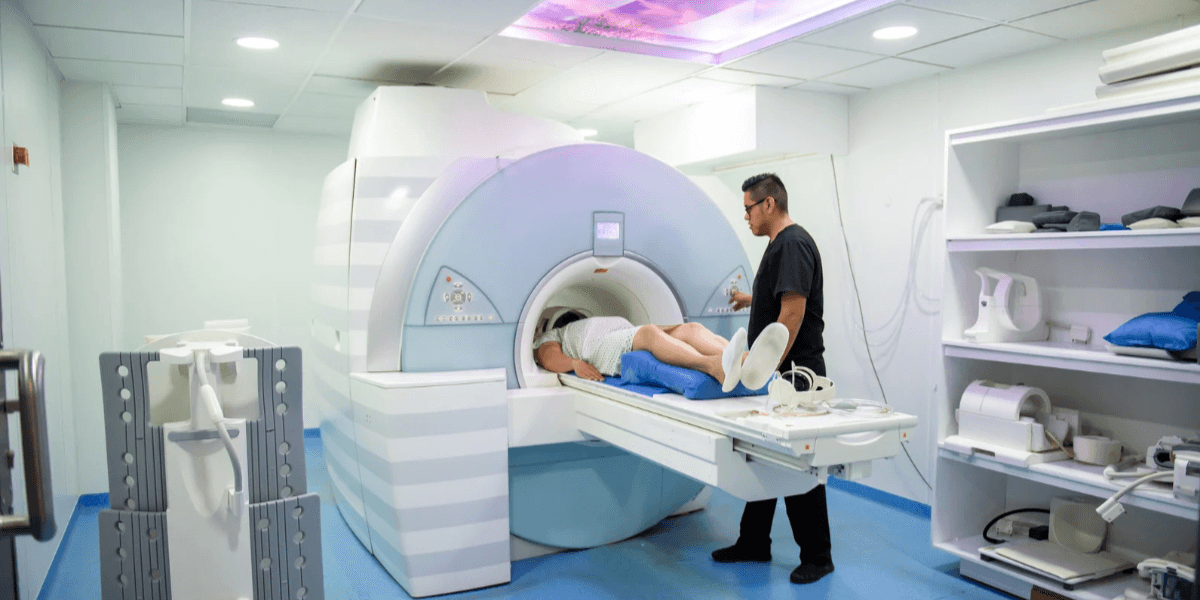
During the scan, you'll need to remain as still as possible to help produce clear images and may occasionally be asked to hold your breath. If you experience discomfort or anxiety, you can communicate with the technologist through a speaker system.
A radiologist will review your final images and prepare a report outlining any findings.
While some findings may require further evaluation, not every abnormality is a cause for concern. A small, benign cyst, for example, may not require additional testing or treatment, while other unexpected results can create anxiety and lead to unnecessary specialist visits.
Having a physician who understands your medical history can help put these findings into perspective. Your physician can help interpret your results and guide you through the next steps, whether that involves monitoring a finding, additional imaging, a specialist referral, or treatment.
Key Takeaway: Not every abnormality found on a whole-body MRI is cause for concern. Some findings may not require additional testing or treatment, while others may need further evaluation. Your physician can help determine the most appropriate next steps based on your medical history.
What Health Conditions Can It Detect?
Whole-body MRI scans may identify a variety of abnormalities, including:
- Arthritis and spinal changes
- Herniated or protruding spinal discs
- Tendon or joint inflammation
- Enlarged organs
- Cysts involving the liver, kidneys, or adrenal glands
- Other unexpected findings

If a cyst is found, your physician may recommend an ultrasound to examine it more closely and assess whether further evaluation is necessary.
Understanding the Limitations of Whole-Body MRI
Whole-body MRI scans may not reliably detect certain conditions or abnormalities, including:
- Certain breast abnormalities
- Colon polyps and early colorectal cancer
- Abnormal cervical cell changes
- Certain reproductive health conditions
Because whole body MRI scans examine multiple areas of the body, they may not provide the same level of detail as imaging focused on a specific location. As a result, a normal scan doesn't necessarily rule out every medical condition or explain all symptoms.
Can a Scan Detect Cancer?
In a study involving more than 9,000 adults without symptoms, whole-body MRI scans detected several types of cancer, including kidney, prostate, lung, and thyroid cancers.
Not all cancers can be reliably detected through this type of screening, particularly in their earliest stages. Some cancers may be too small or difficult to identify on the scan, while larger tumors or cancers that have spread to other parts of the body may be more visible.
For this reason, whole-body MRI should not replace routine cancer screenings such as mammograms, colonoscopies, and Pap tests. Even if your scan comes back normal, it does not completely rule out cancer.
What to Consider Before Getting a Scan
If you're considering a whole-body MRI but aren't sure whether it's right for you, there are several important factors to discuss with your physician before moving forward:
1. Cost
Several providers offer whole-body MRI screening. At PartnerMD, we offer this service through Ezra and Prenuvo.
Preventive whole-body MRI scans are typically not covered by insurance, with prices ranging from $1,000 to $4,000 or more depending on the provider and screening package.
These scans are also generally not medically recommended for people without symptoms or specific risk factors, particularly when other screening tests are more appropriate.
Here's how costs compare across providers:
-
Prenuvo — Offers a Comprehensive Whole-Body scan for $2,499 and an Executive Whole-Body Scan for $4,499.
- Ezra — Offers several screening options, including Annual MRI for $999, MRI with Spine for $1,699, and MRI with Skeletal and Neurological Assessment for $3,999.
2. Purpose
Before getting a whole-body MRI, consider why you want the scan and what you hope to learn. Are you interested in preventive screening out of curiosity, or are you looking for answers to a specific health concern?
Your reason for getting the scan can help determine which type of imaging is most appropriate. For example, someone experiencing pelvic pain may benefit more from targeted imaging of that area rather than a whole-body scan.

3. Results
Whole-body MRI scans can produce extensive reports, sometimes up to 20 pages long, with detailed findings from head to toe.
While these reports are becoming more patient-friendly, the amount of information can still feel overwhelming.
It's important to take the time to review your results, whether independently or with your physician, depending on your preferences. This can help you better understand the findings and identify any questions you'd like to discuss.
Key Takeaway: Whole-body MRI scans are generally not covered by insurance and may not be medically recommended over other screenings. Discuss your goals with your physician to determine if a more targeted test is appropriate for you, and be prepared to review your detailed results.
Looking at the Bigger Picture
Whole-body MRI scans offer an innovative way to learn more about your health and potentially uncover underlying concerns. However, they aren't necessarily the right choice for everyone.
Working with a physician who understands your medical history, concerns, and goals can help decide whether a whole-body MRI is right for you. Just as importantly, your physician can help interpret the results, put unexpected findings into perspective, and guide you through the next steps.
If you decide to move forward with a scan after discussing your options with your physician, they can help you take the next step by connecting you with a screening provider.
Stay Informed About Your Health
Want to learn more about preventive screenings, emerging healthcare technologies, and ways to take a proactive approach to your health?
Follow PartnerMD on social media for physician insights, helpful tips, and educational resources to support informed decisions about your care.

