

January 13th, 2026
3 min. read
By David Younkins, Certified Health Coach
How does concierge medicine work? Download our Understanding Concierge Medicine guide to find out.
/iStock-1061849382-modified-e50460e1-fd44-4ec9-a444-6f887ce0a886.jpg)
As a health coach at PartnerMD, I work with members every day who want to stay healthy as we head into cold and flu season. One of the most common questions I hear is, “How do I avoid getting sick this year?”
A lot of people wonder whether it is even possible to boost the immune system. The short answer is yes, in the sense of helping your immune system function at its normal and optimal level. You cannot supercharge it beyond what the body is designed to do. You can, however, support it with the right nutrition and lifestyle inputs.
Here are a few evidence-informed, whole-person strategies I walk through with members every fall and winter.
1. Prioritize gut health.
A large portion of the immune system lives in the digestive tract. A strong intestinal barrier and a healthy balance of beneficial bacteria help keep out pathogens and support normal immune function.
Simple ways to support this include:
-
Eating fermented foods weekly. Yogurt, kimchi, miso, sauerkraut, and fermented vegetables help increase beneficial bacteria and crowd out less helpful species.
-
Calming the gut lining with options like aloe juice or bone broth. These can support an inflamed digestive system.
-
Considering L-glutamine. This amino acid fuels the cells of the small intestine so they can do their job effectively.
-
Slowing down at meals. Taking 10 to 15 minutes to breathe and activate the parasympathetic, or rest and digest, system improves digestion and lowers stress-related inflammation.
2. Focus on key immune-supporting nutrients.
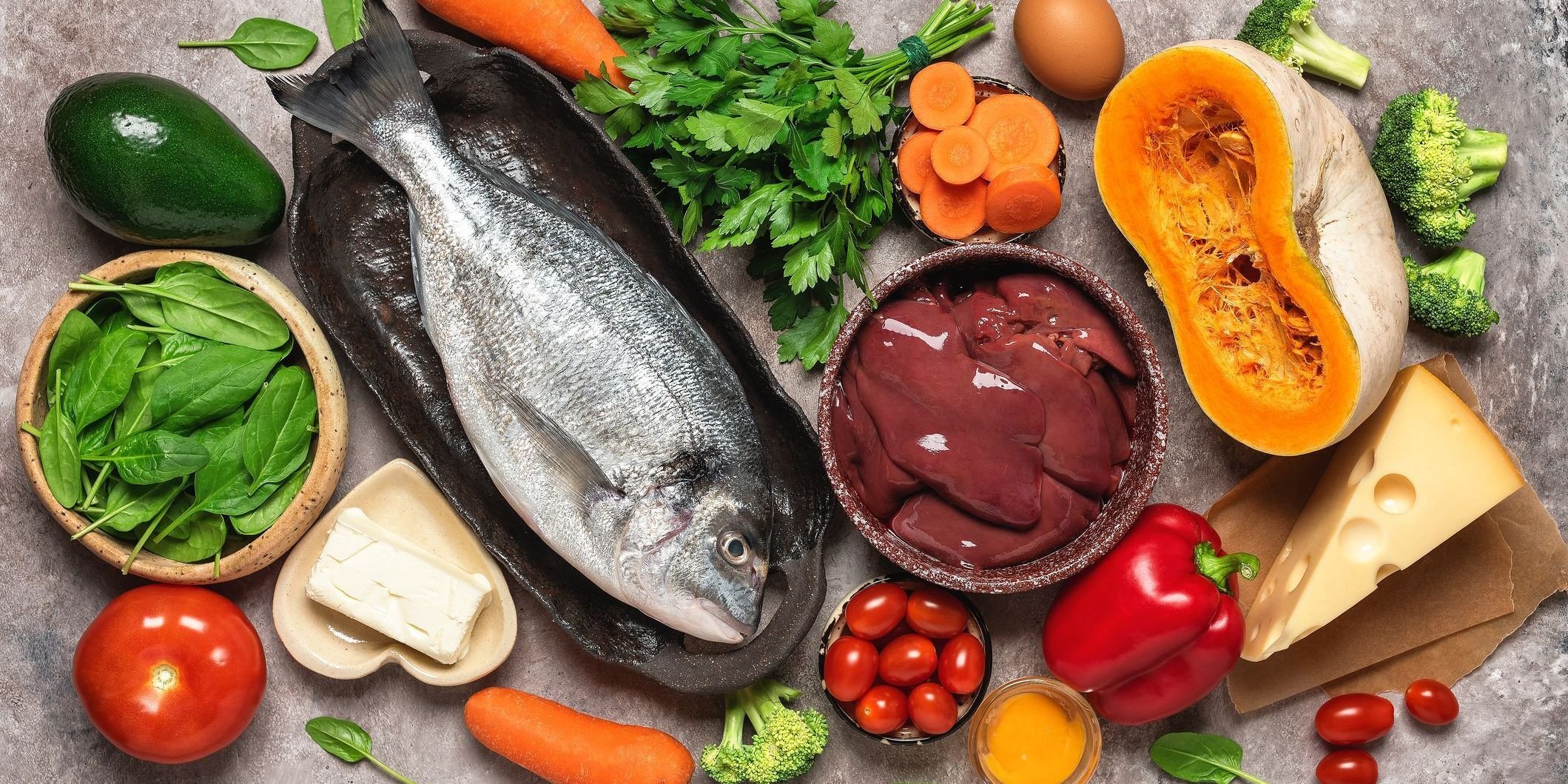
Nutrition plays a major role in how well the immune system works. A few vitamins and minerals directly support immune cells and help maintain the body's natural barriers. As we head into fall and winter, it is helpful to make sure you are getting enough of the nutrients that matter most, including:
Vitamin C
Helps white blood cells fight off microbes.
Sources: citrus fruits, berries, green peppers, green beans.
Zinc
Involved in more than 300 reactions in the body and is essential for immune activity.
Sources: beef, oysters, pumpkin seeds, chia seeds.
Vitamin D
Levels often drop in fall and winter because we spend less time in the sun. Food can contribute to your vitamin D intake.
Sources: sunlight, fatty fish, egg yolks, and foods that are fortified with vitamin D.
Tip: Fifteen to thirty minutes of midday sun can help. A D3 supplement taken with a meal that contains fat can also be useful if levels are low.
Vitamin A, folate, and B12
These vitamins help maintain healthy barriers, such as the skin and digestive lining. They also support proper white blood cell development.
Sources: leafy greens, mustard greens, kale, beef, chicken.
3. Reduce excess inflammation.
Inflammation is an immune response, so lowering unnecessary inflammation can help your immune system work more efficiently. A few straightforward nutrition shifts can make a meaningful difference in lowering that extra inflammation, including:
-
Adding more omega-3 fats to your diet. Salmon, tuna, chia seeds, flaxseed, and walnuts are great choices.
-
Reducing inflammation-promoting foods such as refined grains, sugars, and highly processed items.
4. Build lifestyle habits that support immunity.
Most habits that support general health also support immune health.
-
Wash your hands regularly.
-
Avoid close contact with people who are sick when possible.
-
Stay up to date on recommended vaccinations.
-
Exercise regularly, while avoiding overtraining because too much can have the opposite effect.
Breathing is another simple but helpful tool. Nasal breathing filters particles, traps microbes, and interacts with immune structures in the nasal passages. Cold weather often dries out the nose, which leads many people to switch to mouth breathing.
This removes some of the natural defense your nose provides. When you can, breathe through your nose and practice slow, diaphragmatic breathing to help lower stress.
/iStock-1488062353-modified-35310a52-91aa-4445-bc53-2036bb531090.jpg?width=2121&height=1059&name=iStock-1488062353-modified-35310a52-91aa-4445-bc53-2036bb531090.jpg)
5. Use supplements thoughtfully.
Food should always come first, but supplementation can help if you are not getting enough of certain nutrients through diet.
One supplement that may provide additional support is NAC, also known as N-acetylcysteine. It helps boost glutathione, an important antioxidant, and may offer support for lung-related conditions or reduce transmission risk in certain respiratory illnesses.
As always, check with your physician or health coach before adding new supplements to your routine.
Keeping yourself well starts with simple steps.
There is no single habit that prevents illness completely. Your daily choices add up. Supporting your gut, eating key nutrients, reducing inflammation, breathing well, and practicing the basics of healthy living all work together to help your immune system function at its best.
If you found this helpful, follow PartnerMD on YouTube, Facebook, Instagram, and LinkedIn for more practical, evidence-informed health tips. And if you are a PartnerMD member, your health coach is always here to help you build a personalized plan for the season.
/Copy%20of%20Socials%20CTA%20(771%20x%20111%20px).png?width=771&height=111&name=Copy%20of%20Socials%20CTA%20(771%20x%20111%20px).png)
Topics:
