


Many people set health goals with the best intentions and still find themselves falling short. That moment can feel frustrating or discouraging, especially when motivation is already fragile.
As a health coach at PartnerMD, I work with members every day who feel stuck after a setback, whether it’s a broken New Year’s resolution or a goal that slipped on an ordinary Tuesday. I help them unpack what didn’t work, adjust the approach, and move forward with clarity, confidence, and realistic expectations that fit real life.
The truth is that failure is not the problem. How you respond to it is what determines long-term success.
Many people assume they’re alone in this experience, but the data tells a different story. In a Forbes Health survey, only 8% of respondents said their New Year’s resolution lasted at least one month. That’s not a character flaw. It’s a sign that many goals are built without enough structure to survive real life.
Struggling doesn’t mean something is wrong with you. It means the plan likely needs to change.
Why Setbacks Are a Normal Part of Getting Healthier
Health goals rarely unfold perfectly. People often assume that if they were more disciplined, they would never slip. In reality, setbacks are part of the process. They provide information, not evidence that you cannot succeed.
What matters most is how you respond. The people who make lasting progress are not the ones who never mess up. They’re the ones who learn quickly, adjust, and keep going without letting one off day become a reason to quit.
Why Extreme Nutrition Rules Often Backfire
Nutrition goals are one of the most common places where people feel like they have failed. A classic example is deciding to eliminate ultra-processed snack foods.
While that goal sounds healthy on paper, it can be very difficult to maintain. These foods are widely available, inexpensive, long-lasting, and designed to taste good. When someone inevitably eats one, the reaction is often guilt or discouragement, followed by giving up entirely.
Instead of aiming for perfection, I encourage people to think in terms of strategic adjustments. For example, choosing not to buy ultra-processed snacks for your home. That single change reduces daily exposure and temptation. You may still encounter these foods at social events or occasionally find leftovers in your pantry, but overall consumption decreases over time.
Small adjustments like this are often more effective than strict rules because they are sustainable.
How SMART Goals Make Health Changes More Attainable
When members are struggling to stay consistent, I often introduce the SMART goal framework. This approach helps turn vague intentions into clear, manageable action steps.
Specific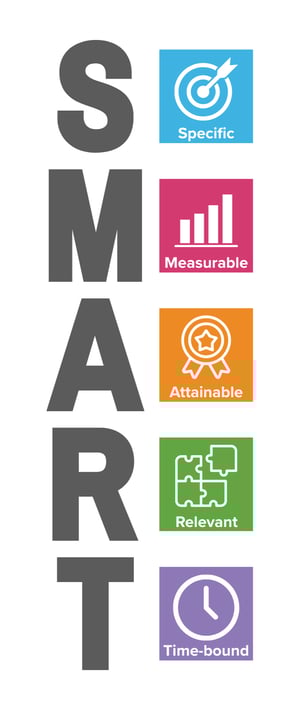
A goal should clearly define what you are doing. The more precise the goal, the easier it is to follow.
Measurable
Progress should be trackable. This might mean keeping a workout log, using an app, or simply checking off completed habits. Tracking creates awareness and accountability.
Attainable
Goals need to be realistic. If a goal is too extreme, it is unlikely to last. Most people live busy, complex lives, and health plans should reflect that reality.
Relevant
A goal must fit into your daily routine. Health should support your life, not compete with it. When a goal aligns with how you actually live, consistency improves.
Time-bound
Every goal needs a defined start and a point for reassessment. Knowing when a goal begins and when you will review progress helps prevent burnout and keeps expectations grounded.
SMART goals do not guarantee perfection, but they significantly increase the likelihood of steady progress.
What to Do When You Still Slip Up
Even with a well-designed goal, there will be times when things don't go as planned. When that happens, giving up is easy. What is far more beneficial is taking a moment to analyze the situation.
I encourage people to ask themselves:
What specifically made the goal difficult?
Was the goal too ambitious?
Did something unexpected interfere?
What small change could make this more manageable next time?
This kind of reflection turns a setback into a learning opportunity. Each adjustment brings you closer to a system that actually supports your health instead of working against it.
/iStock-1462669637-modified-cfd8ff26-bbc5-45bf-97ee-2fbea342cad6.jpg?width=1411&height=705&name=iStock-1462669637-modified-cfd8ff26-bbc5-45bf-97ee-2fbea342cad6.jpg)
Progress Comes From Staying Engaged
Resolutions and health goals are popular because people want to feel better, stronger, and more confident in their bodies. Giving up after a setback only delays that outcome.
Long-term health comes from staying engaged, refining your approach, and allowing room for imperfection. With realistic expectations, thoughtful goal-setting, and the willingness to adjust, meaningful change becomes achievable.
If improving your health is important to you, remember this: breaking a goal does not mean you failed. It means you are learning how to build a better one.
If you found this helpful, you can find more practical, encouraging guidance from our PartnerMD health coaches by following us on social media. We share simple strategies, realistic tips, and motivation that fit real life, so you can keep moving forward one step at a time.
/Copy%20of%20Socials%20CTA%20(771%20x%20111%20px).png?width=771&height=111&name=Copy%20of%20Socials%20CTA%20(771%20x%20111%20px).png)
Topics:
