




The 2026 State of Primary Care Report

Explore the data from 500+ patients on access, time, prevention, coordination, and trust in primary care.

Download the Report

Quantifying the Patient Experience in Primary Care

Primary care is the foundation of healthcare. Yet many patients describe an experience shaped by delays, rushed visits, and uncertainty.

For more than 20 years, PartnerMD has cared for thousands of patients. We have listened closely to what people value in the physician relationship and where traditional primary care can fall short.

To capture those insights, we created the Primary Care Check-Up, an online self-assessment that translates patient-reported experience into clear, comparable scores. 

The Check-Up evaluates primary care across four core areas: Access & Availability, Relationship & Time with Physician, Prevention & Long-Term Care, and Coordination & Support.

Across these measures, results indicate consistent challenges related to access, time with physicians, and confidence in care. Three headline findings stand out:

  • The average overall primary care experience score is a 45 (out of 100).
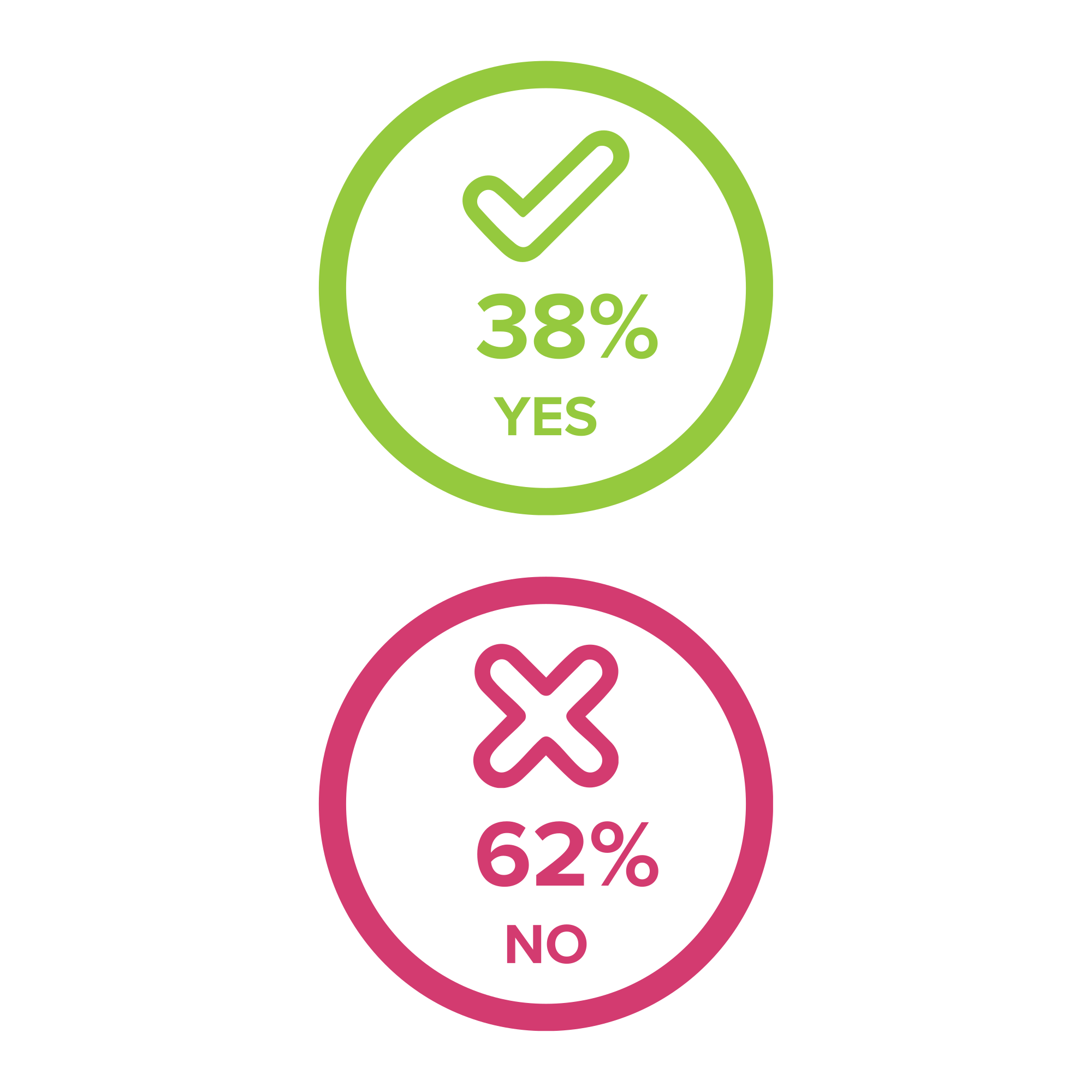
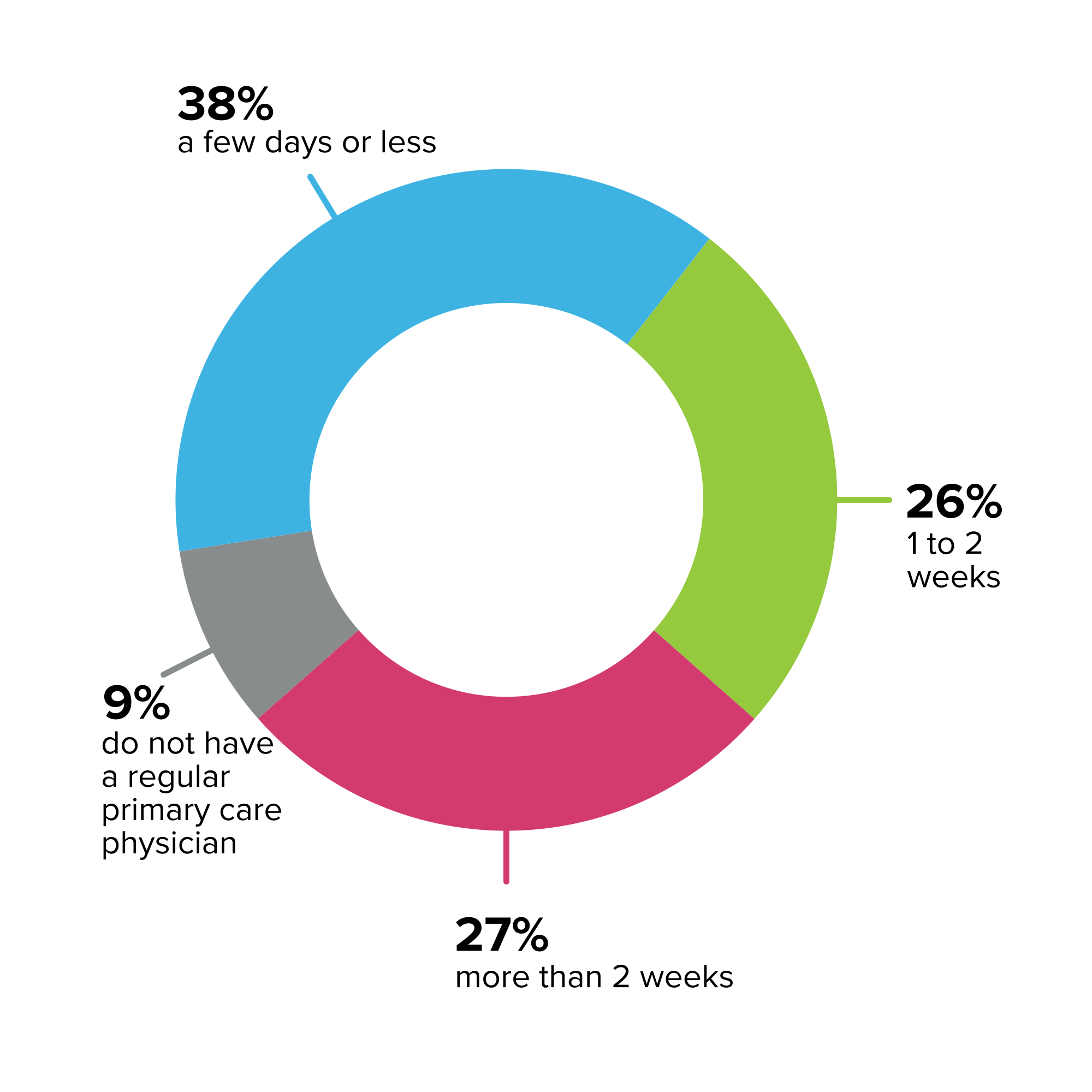
  • 62% of respondents say they wait a week or more to see their doctor
  • 80% of respondents say they are worried important health issues could be slipping through the cracks.
Download the Report

The Check-Up evaluates primary care across four core areas: Access & Availability, Relationship & Time with Physician, Prevention & Long-Term Care, and Coordination & Support.

Across these measures, results indicate consistent challenges related to access, time with physicians, and confidence in care. Three headline findings stand out:

  • The average overall primary care experience score is a 45 (out of 100).
  • 62% of respondents say they wait a week or more to see their doctor
  • 80% of respondents say they are worried important health issues could be slipping through the cracks.

These findings reflect how patients are experiencing primary care today. Explore the full report on this page, or complete the form to download the complete PDF for easy sharing. 

Average scores reveal challenges across access, time, prevention, and coordination.

These averages reflect responses from 501 participants between July 15, 2025 and September 15, 2025, and are reported on a 0–100 scale, including an overall score and four category averages. The overall score reflects combined performance across the assessment, while category scores summarize results within each dimension of the primary care experience.

https://460541.fs1.hubspotusercontent-na1.net/hubfs/460541/Scores_Average_1.svg

Average Overall Score

https://460541.fs1.hubspotusercontent-na1.net/hubfs/460541/Scores_Access_1-1.svg

Access & Availability

https://460541.fs1.hubspotusercontent-na1.net/hubfs/460541/Scores_Relationship_1.svg

Relationship & Time with Physician

https://460541.fs1.hubspotusercontent-na1.net/hubfs/460541/Scores_Prevention_1.svg

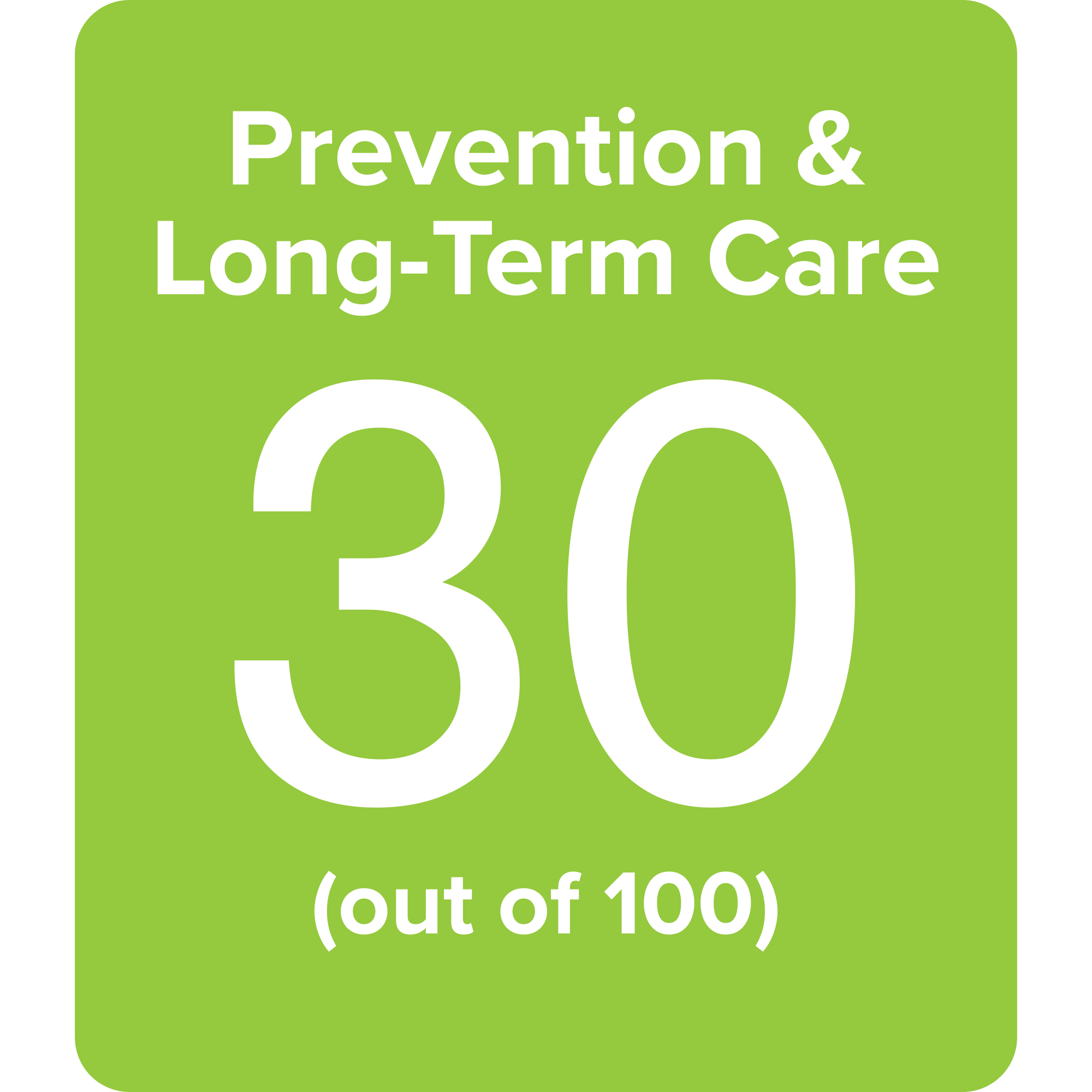
Prevention & Long-Term Care

https://460541.fs1.hubspotusercontent-na1.net/hubfs/460541/Scores_Support_1.svg

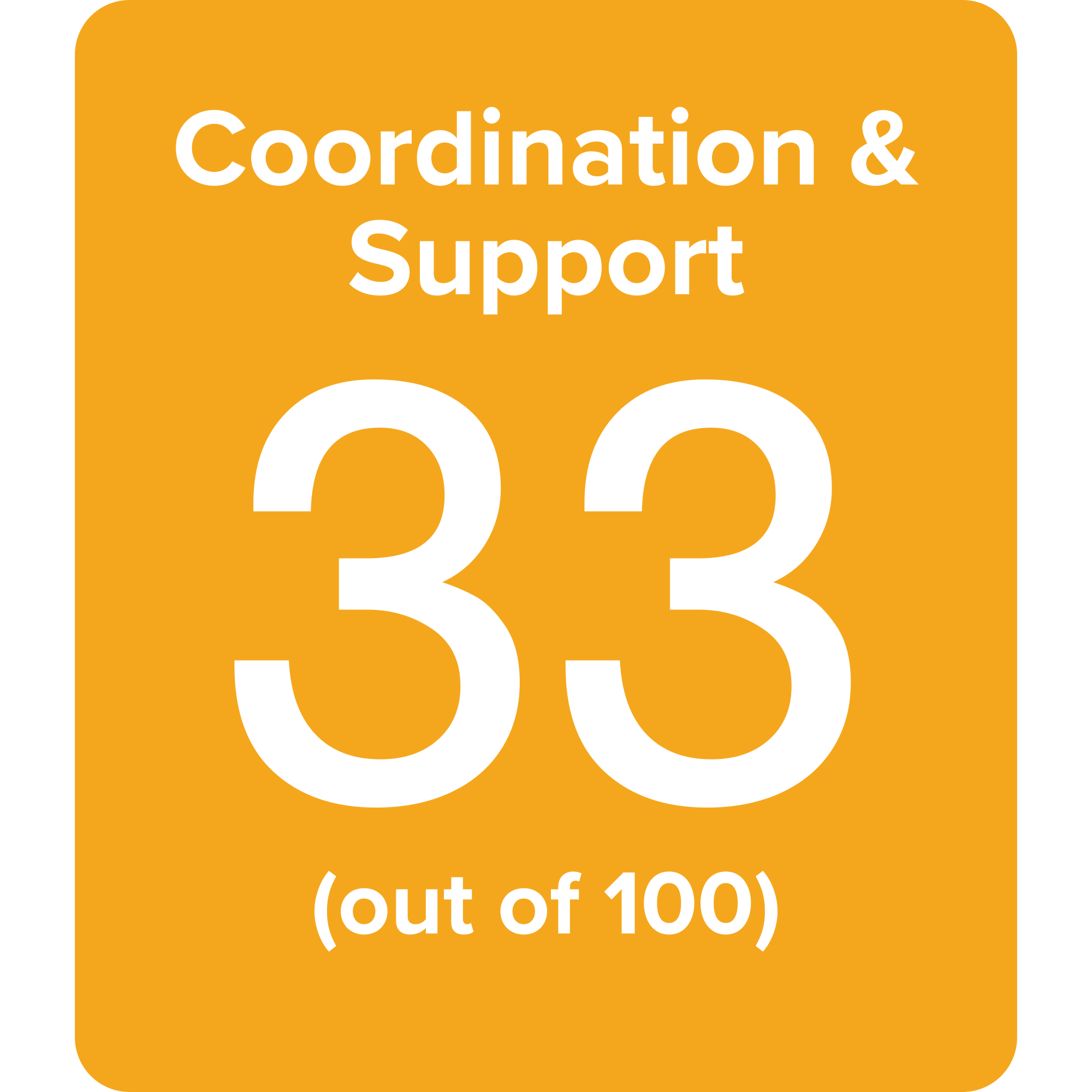
Coordination & Support

Behind the numbers are familiar patterns: long waits, rushed visits, and limited attention to prevention or long-term wellness.

Scores were grouped into three performance tiers: Needs Attention (0-49), Room to Improve (50-74), and Exceeding Expectations (75-100). The chart below shows how respondents are distributed across those tiers overall and within each category. 

Breaking down the data across four core care categories.

Behind these averages are patient-reported experiences that shape day-to-day primary care, including delayed appointments, limited time during visits, and inconsistent attention to prevention and follow-through.

The sections below break the results down into category-level scores and question-level response charts, offering a clearer view of how respondents rated each dimension of care.

Access & Availability Relationship & Time with Physician Prevention & Long-Term Care Coordination & Support

Access & Availability

These questions examine how quickly patients can schedule appointments, how long they wait once they arrive, and whether they can reach their doctor’s office after hours.

Together, they measure how responsive and dependable primary care feels when patients need it.

Key Takeaways

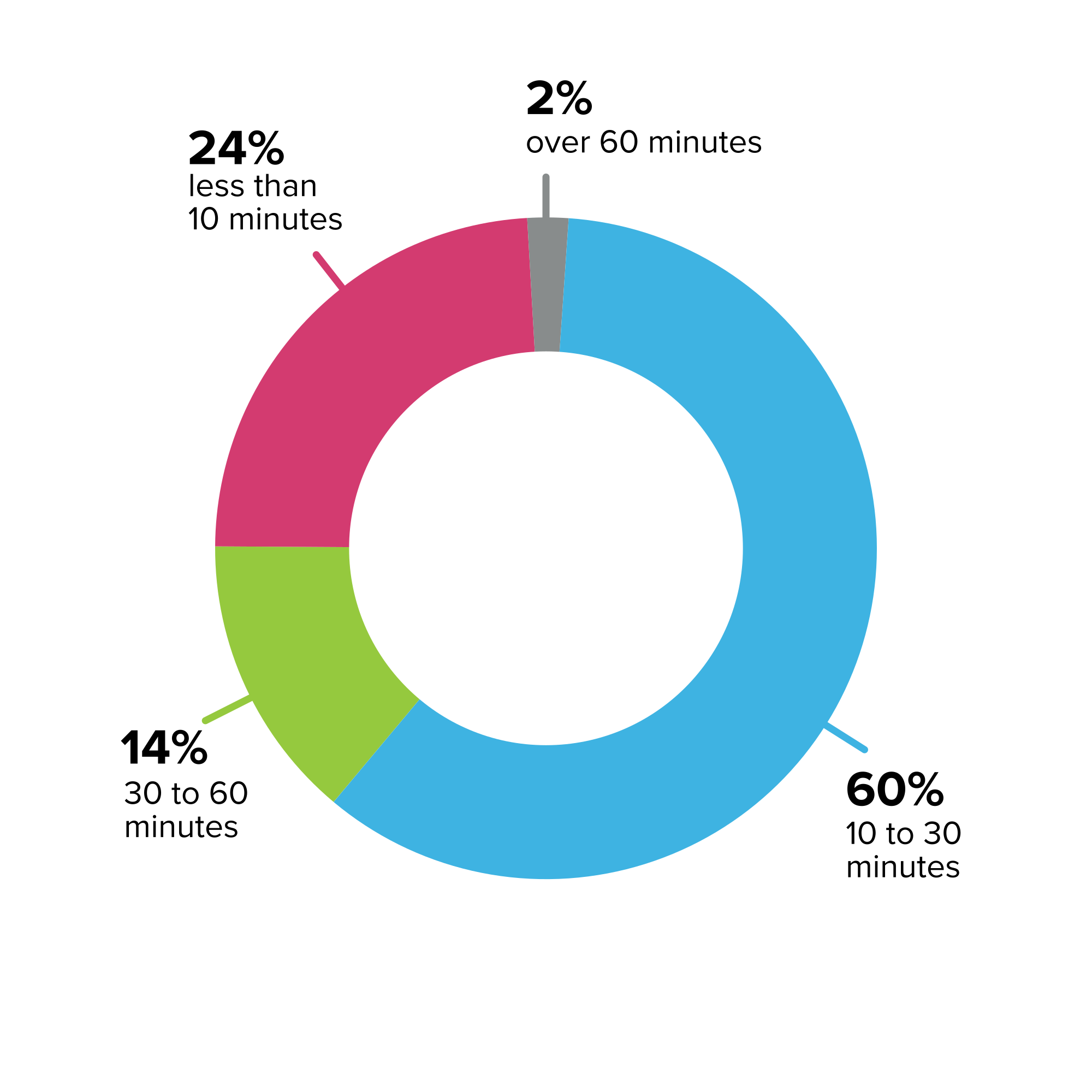
  • 62% of respondents wait at least a week to see their doctor, or don’t have a primary care physician.
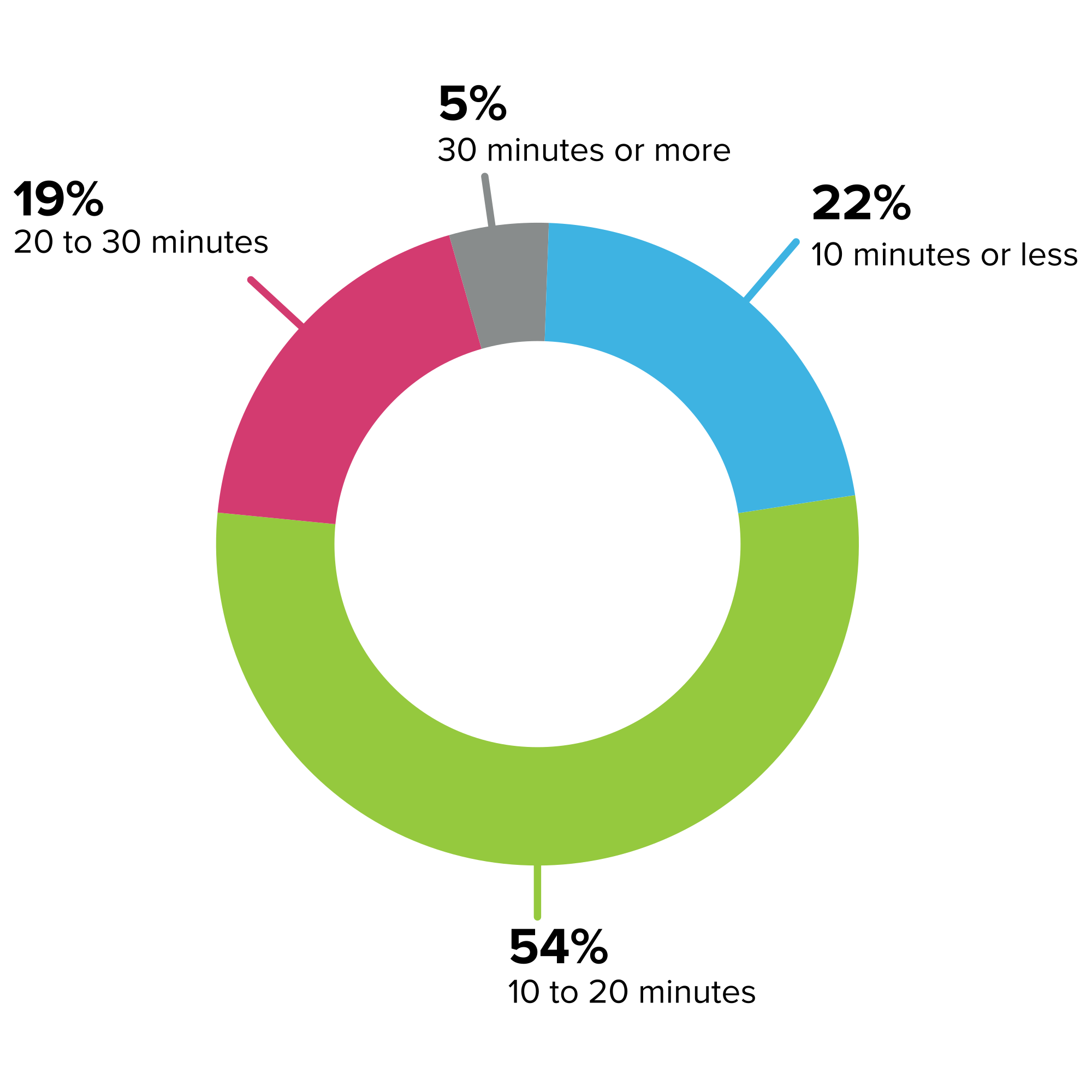
  • 76% report waiting 10 minutes or longer once they arrive for their appointment. 
  • 62% of respondents cannot contact their doctor’s office after hours if needed.
Scores_Access_1-1

Inside the Numbers: Question by Question

(Click each question to expand)

When you need an appointment, how long do you usually have to wait to be seen?

How long do you wait after arriving in the lobby and in the exam room before your physician sees you?

Can you reach your doctor’s office after hours if needed?

Relationship & Time with Physician

These questions examine how much time patients spend with their doctor, how well they feel known by their physician, and how often visits feel rushed. They also measure how confident patients feel in the care they are receiving.

Overall, this section reflects whether primary care feels personal, attentive, and grounded in a trusted relationship.

Key Takeaways

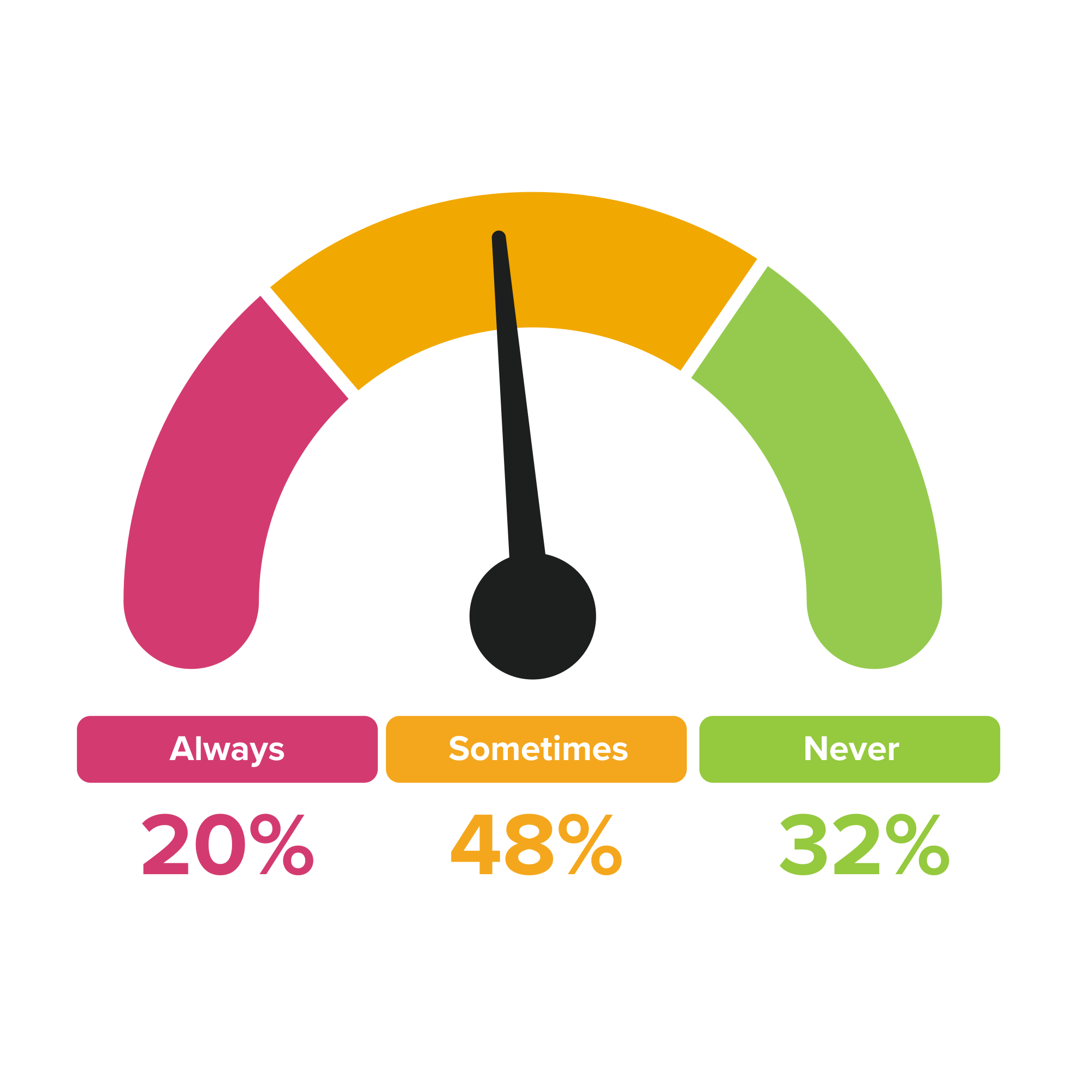
  • More than two-thirds (68%) report feeling rushed during appointments sometimes or always.
  • 53% of people say that their doctor only knows them somewhat or not at all.
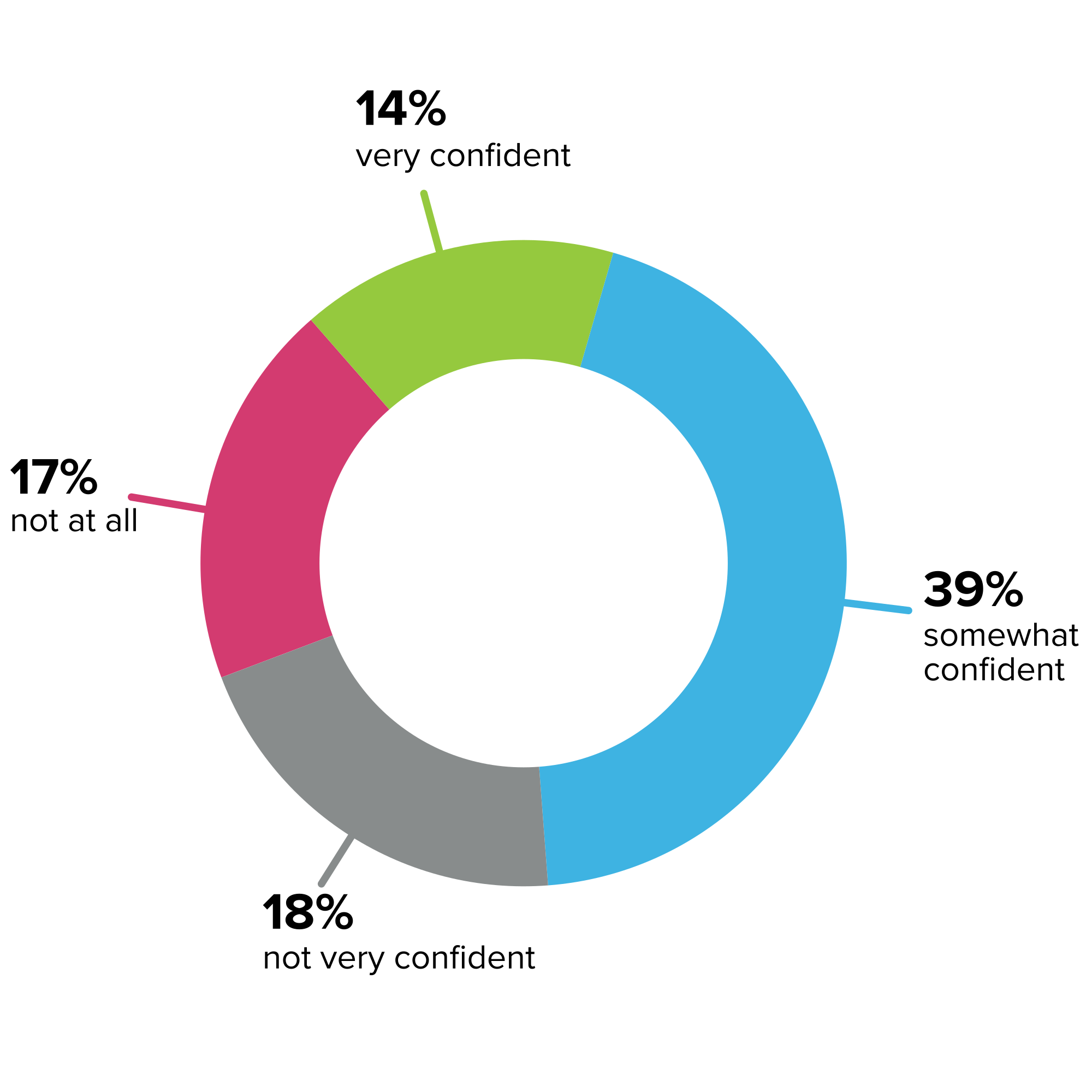
  • Only 14% of respondents report feeling very confident in the care they receive.
Scores_Relationship_1

Inside the Numbers: Question by Question

(Click each question to expand)

How much time does your doctor usually spend with you during an appointment?

How often do your visits feel rushed?

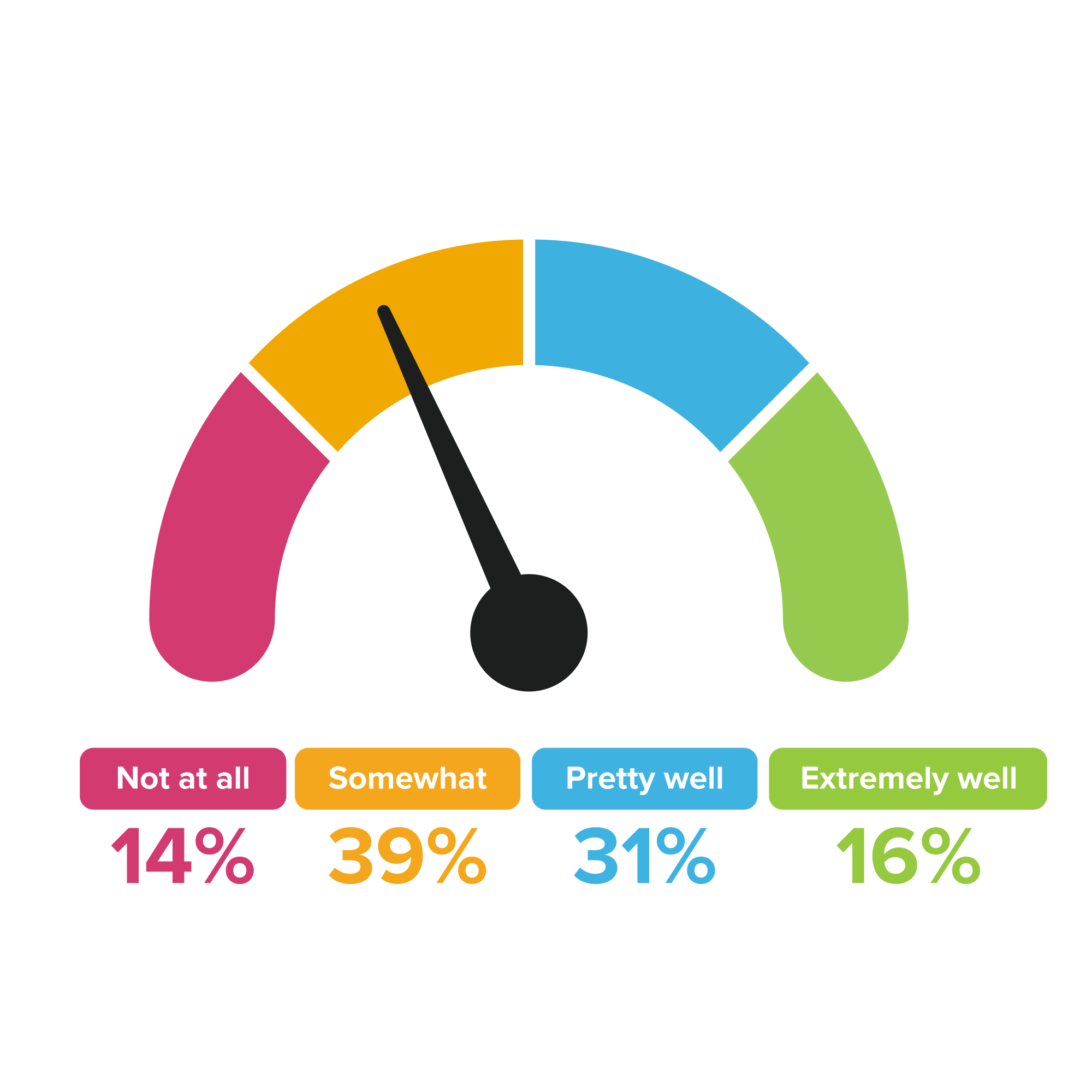
How well would you say your doctor knows you medically and personally?

How confident are you that you’re getting the best possible care?

Prevention & Long-Term Care

These questions examine whether primary care goes beyond immediate concerns to focus on prevention, lifestyle habits, and long-term health planning.

They measure how thorough annual physicals feel, how often wellness goals are discussed, and whether patients receive guidance or resources to support long-term health.

This section reflects whether care includes consistent attention to prevention and long-term wellness, or is primarily focused on addressing issues as they arise.

Key Takeaways

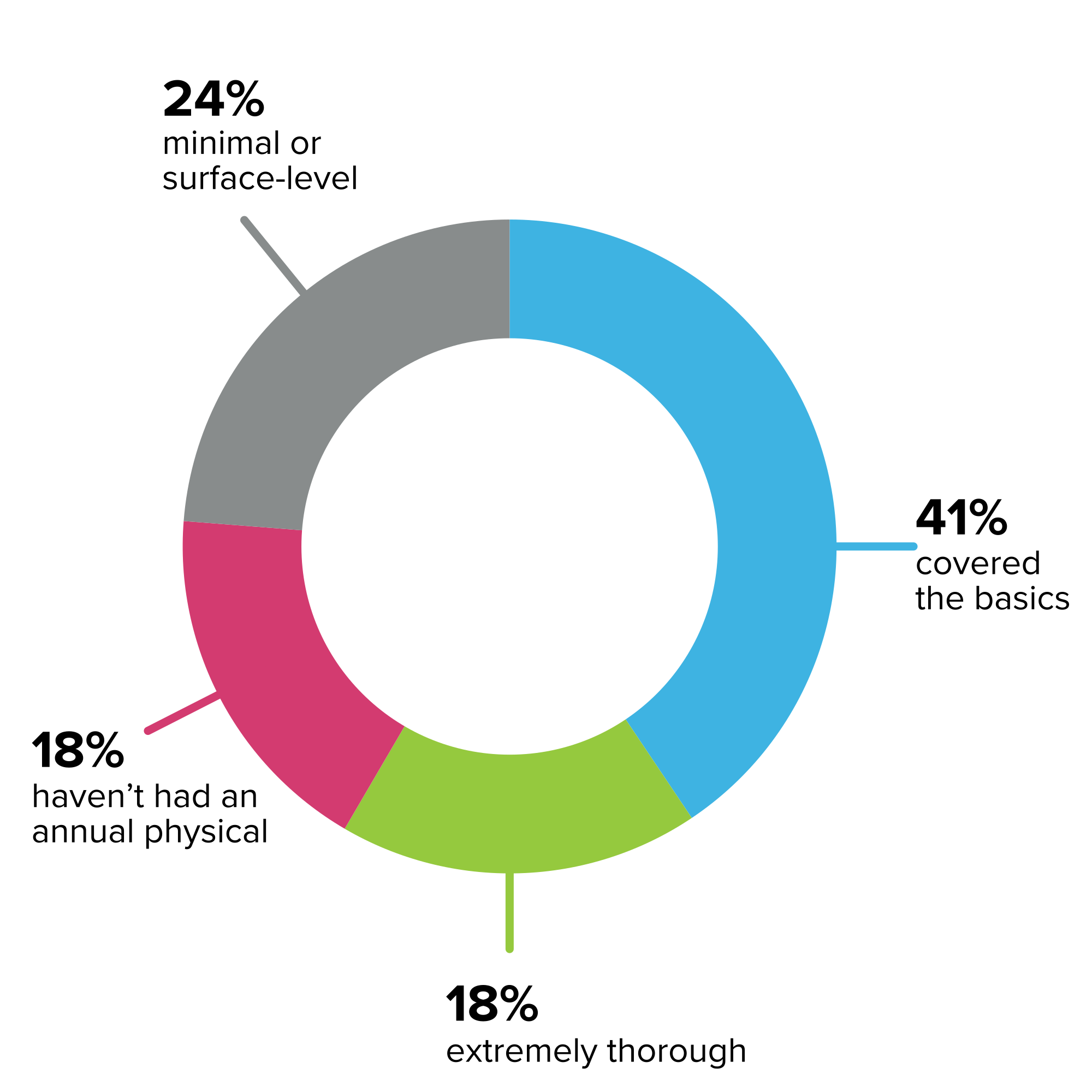
  • Only 18% of respondents describe their most recent annual physical as extremely thorough.
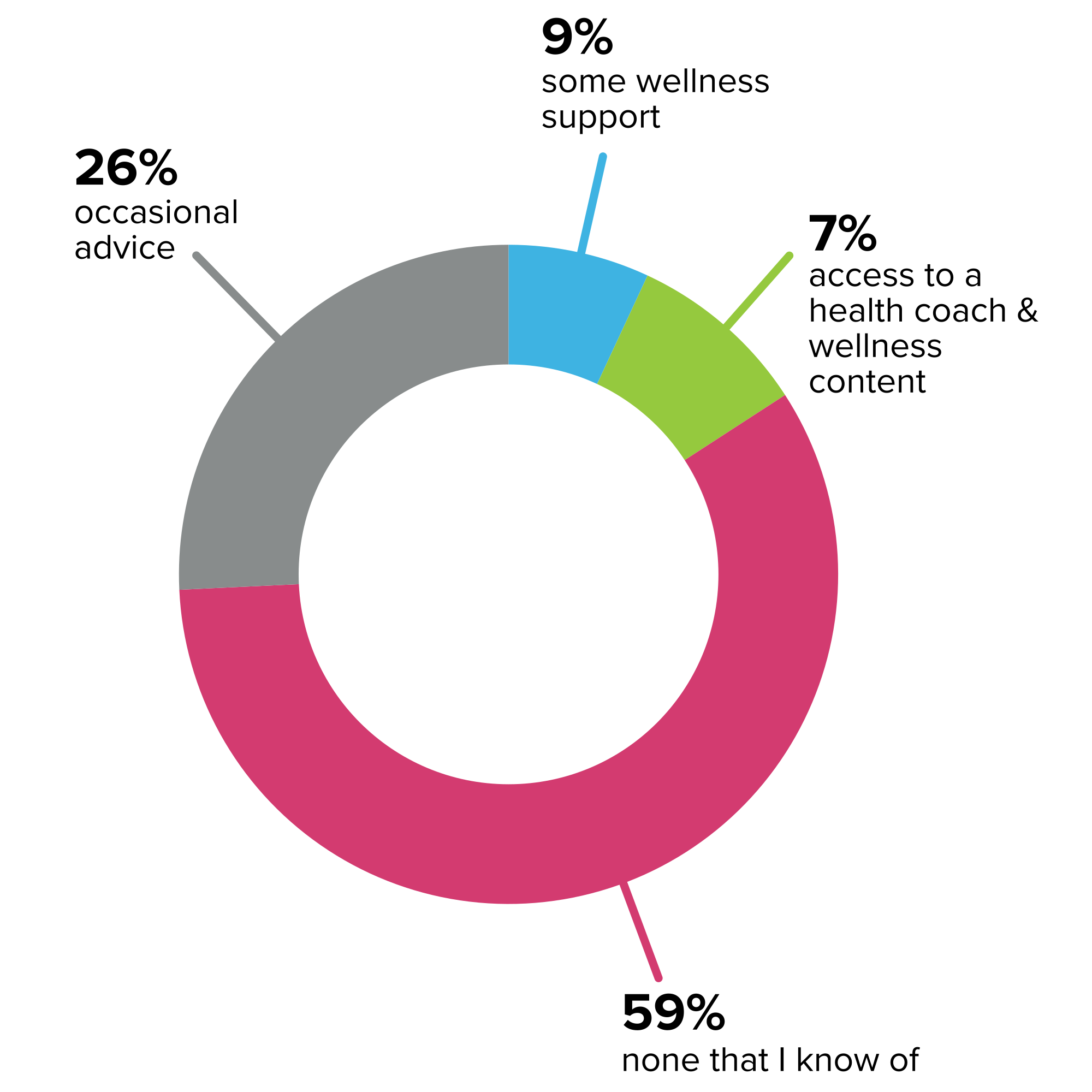
  • 59% report that their current doctor offers no wellness resources.
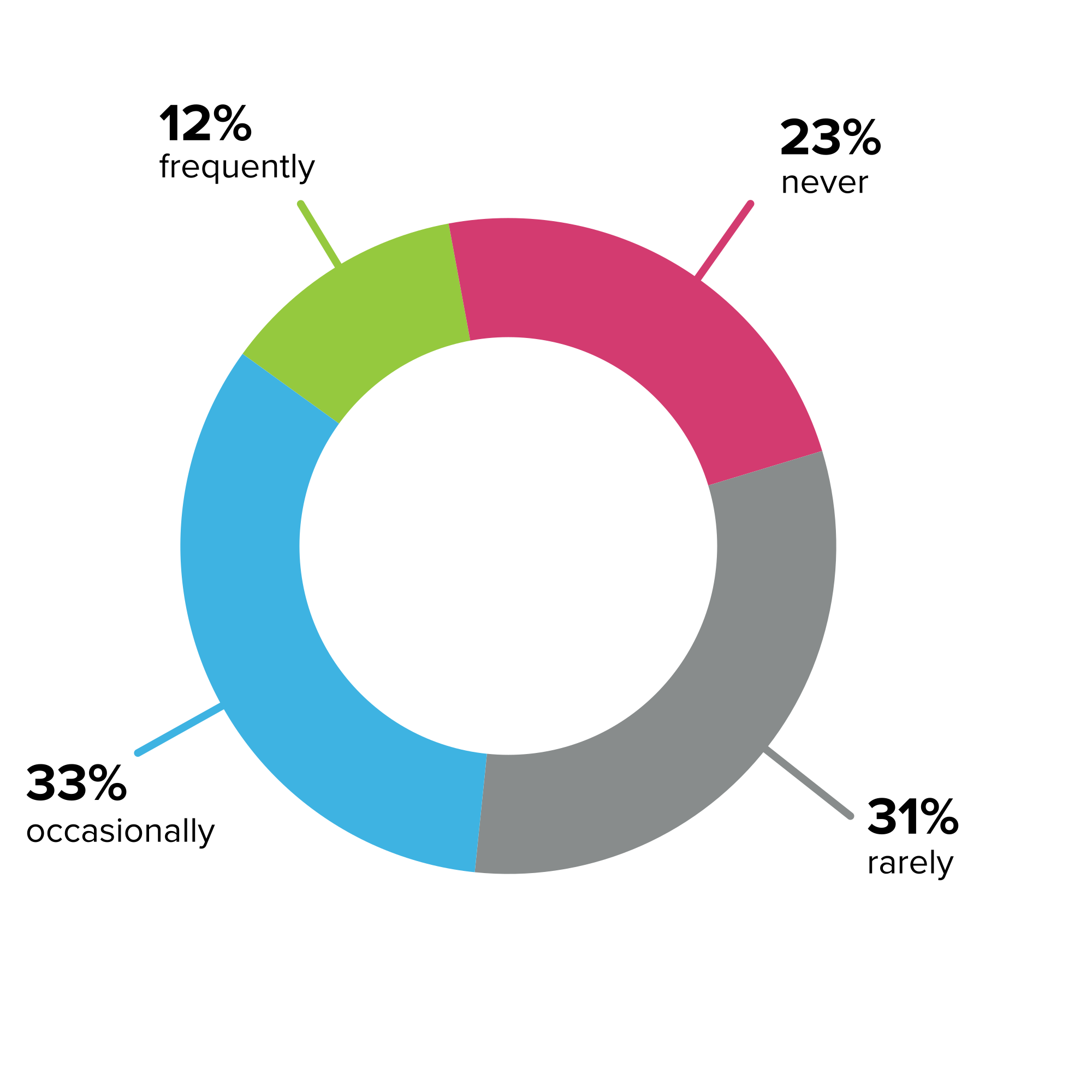
  • Just 12% say they frequently discuss long-term health goals with their doctor.
Scores_Prevention_1

Inside the Numbers: Question by Question

(Click each question to expand)

How would you describe your most recent annual physical?

What wellness resources does your current doctor offer?

How often does your doctor talk about long-term health goals or lifestyle changes?

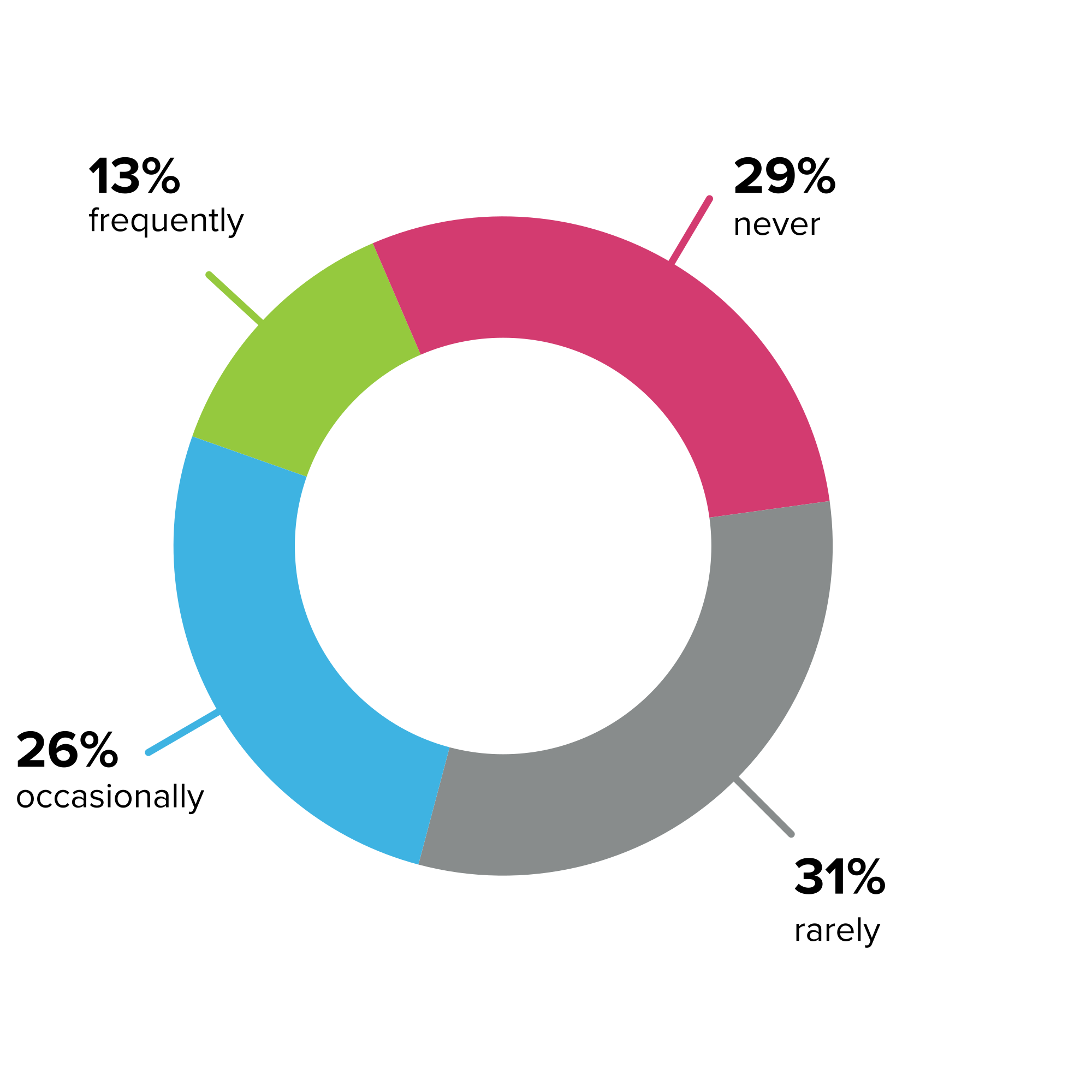
How often does your doctor discuss advanced testing for prevention or longevity?

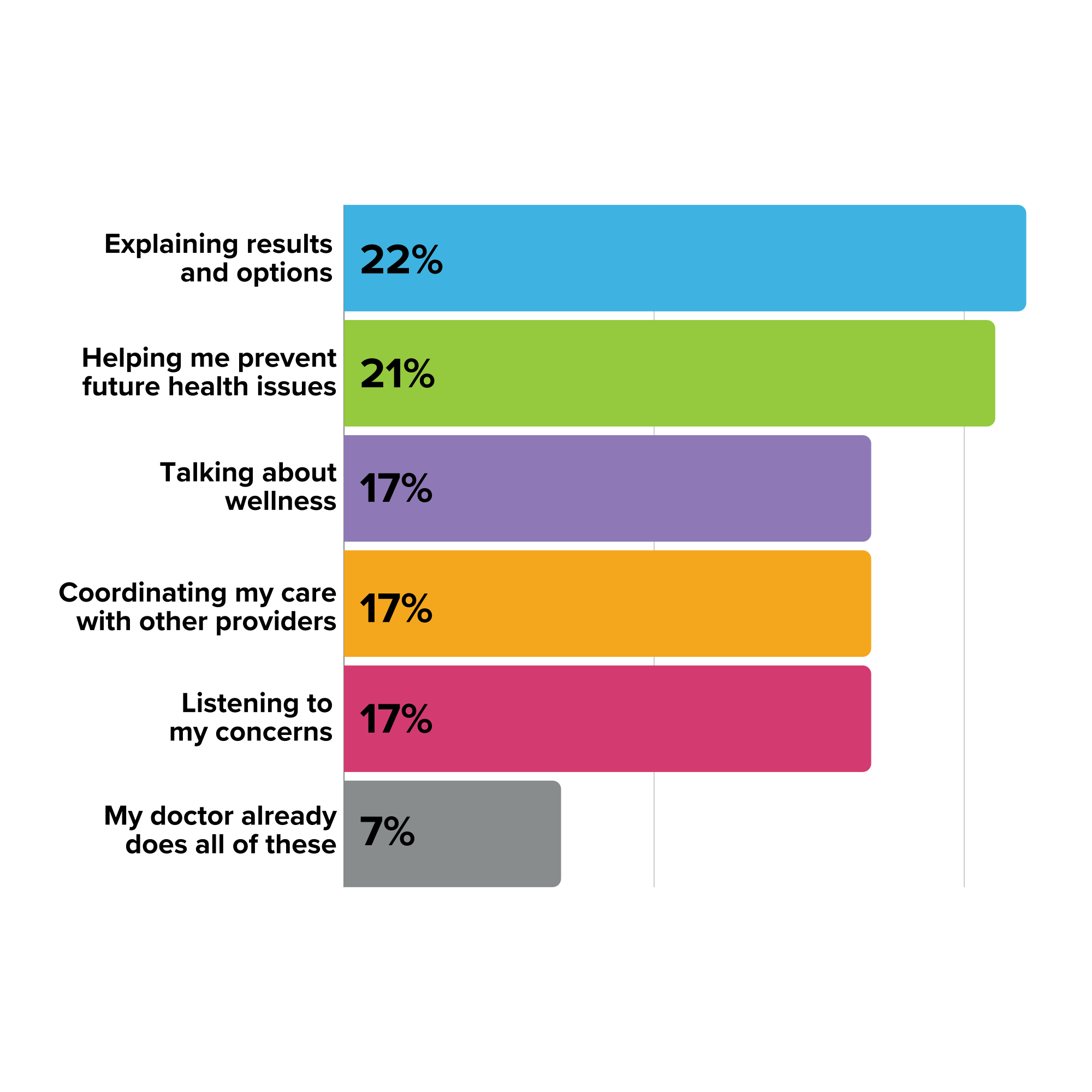
What do you wish your doctor spent more time doing?

Coordination & Support

These questions examine whether patients feel their care is connected across medical history, tests, referrals, and other providers. They measure how consistently primary care helps patients navigate next steps, follow-through, and decision-making.

This section reflects whether patients experience primary care as a central point of coordination and support, or whether they are left to manage information and care tasks on their own.

Key Takeaways

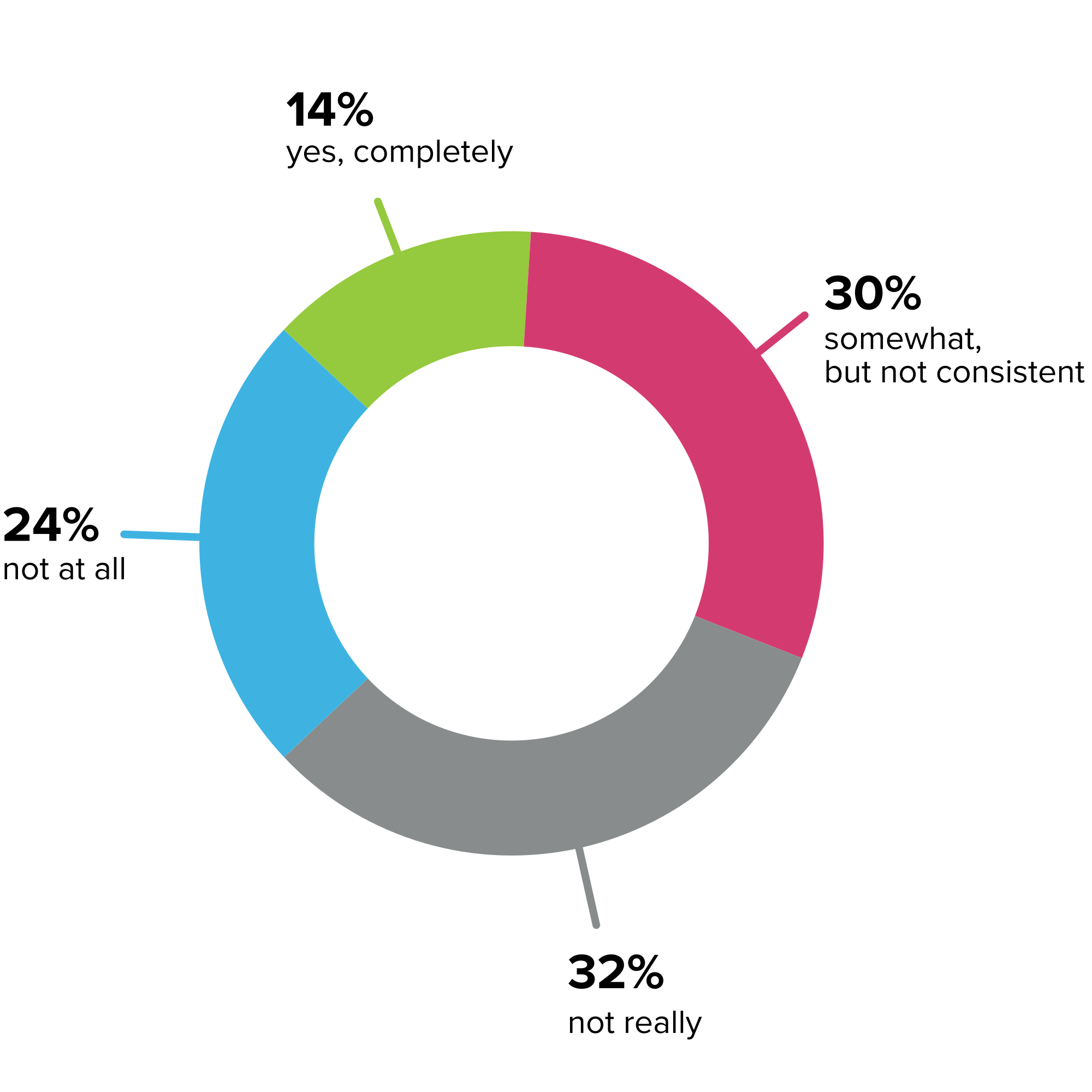
  • 86% report that their doctor does not consistently see the full picture across their medical history and other providers.
  • Eight in ten respondents (80%) worry that important health issues could be missed with their current care.
Scores_Support_1

Inside the Numbers: Question by Question

(Click each Question to expand)

Does your doctor help connect the dots across your medical history and other providers?

Do you worry important health issues might slip through the cracks with your current care?

Trust & Willingness to Recommend

To measure trust and willingness to recommend, the Primary Care Check-Up uses a Net Promoter Score (NPS) question, which evaluates how strongly respondents would endorse their primary care physician to family or friends. It is a standardized indicator of trust, satisfaction, and loyalty used across industries to assess overall experience.

We asked respondents: “On a scale of 1–10 (with 10 being the most likely), how likely are you to refer your doctor to family or friends?”

Traditional Net Promoter Score methodology uses a 0–10 scale. In the Primary Care Check-Up, respondents answered on a 1–10 scale, so the categories were adapted accordingly.

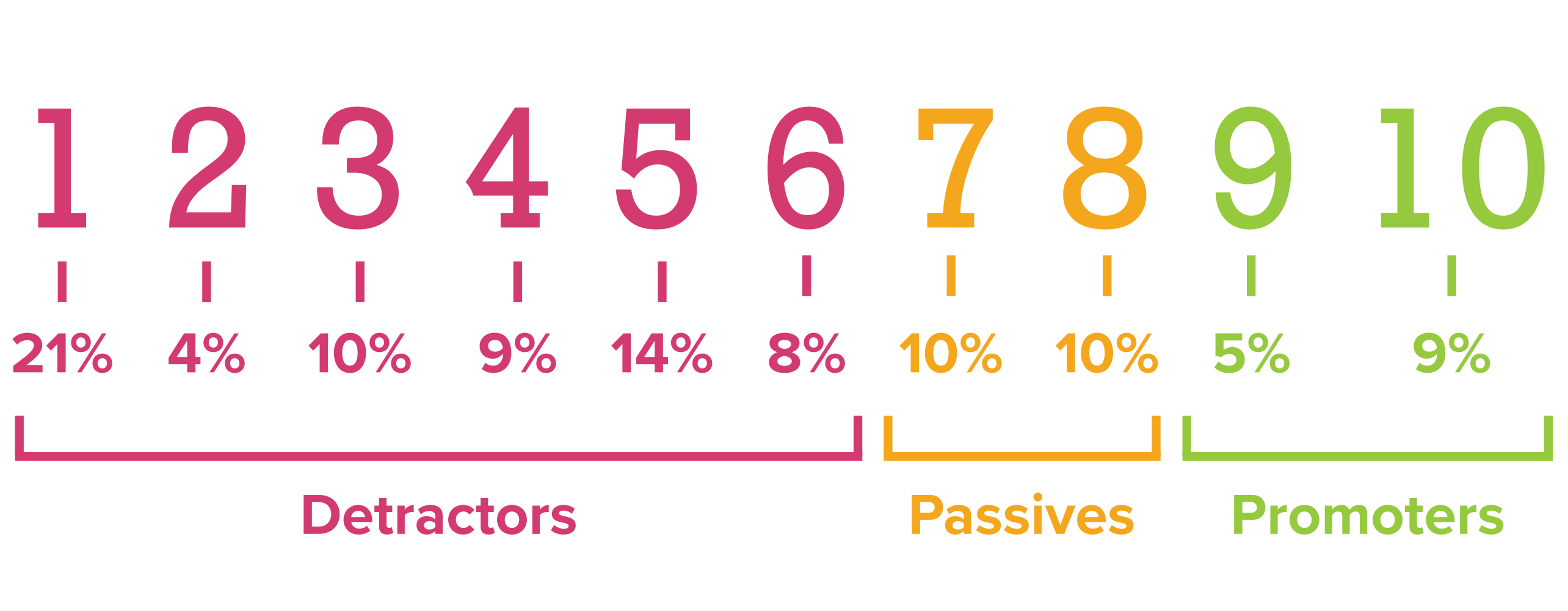
Scores of 9–10 were classified as promoters, 7–8 as passives, and 1–6 as detractors. The score was then calculated by subtracting the percentage of detractors from the percentage of promoters, producing a result that ranges from -100 to +100.

Key Takeaways

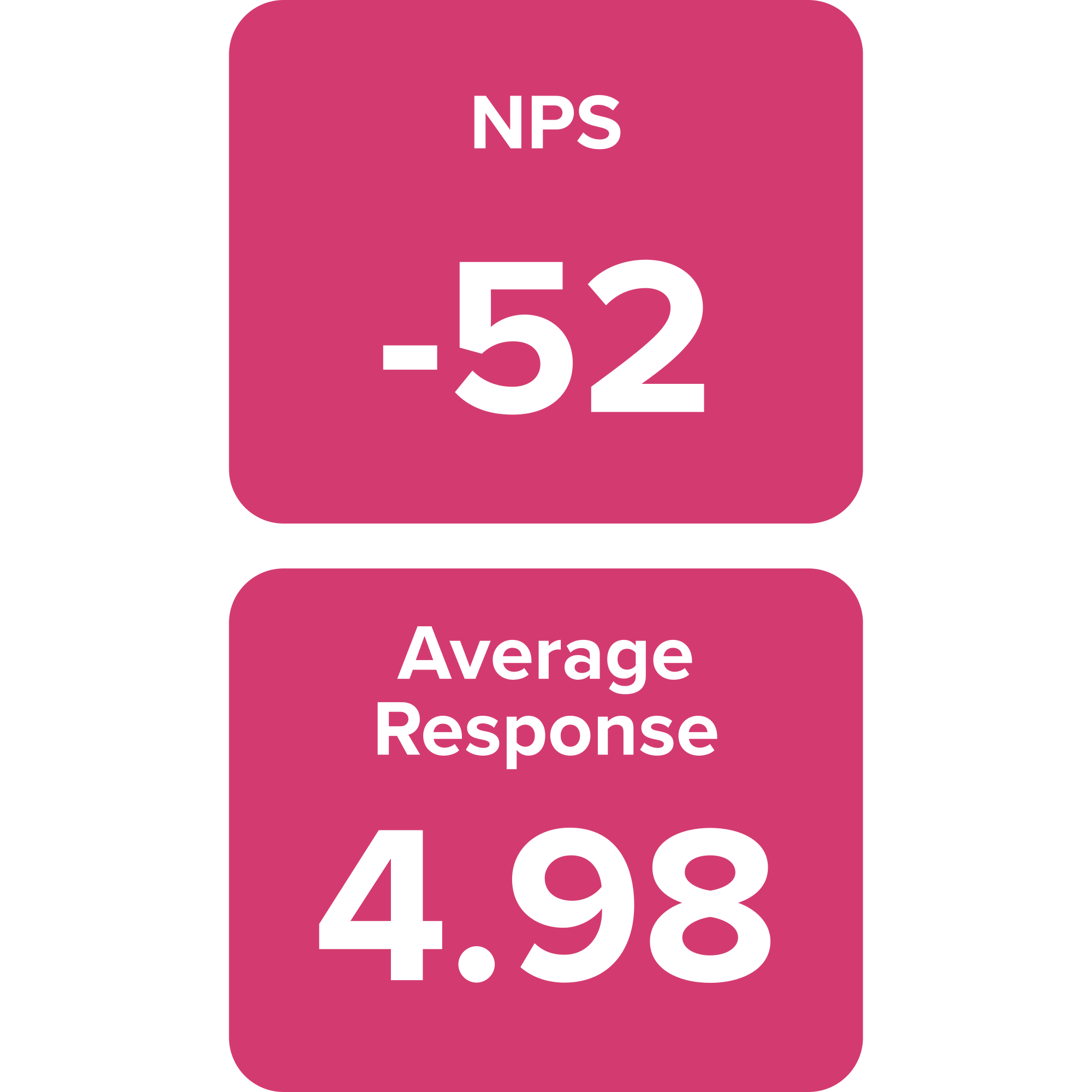
  • The average likelihood-to-recommend rating was 4.98 out of 10.
  • The resulting Net Promoter Score was -52.
  • A negative score indicates that detractors substantially outnumber promoters.

NPS_ScoreLine

Inside the Numbers

Responses were weighted toward the lower end of the scale. Twenty-one percent selected 1, 14% selected 5, and 8% selected 6. At the highest end, 5% selected 9, and 9% selected 10.

Using the 1–10 grouping, the percentage of detractors (1–6) significantly exceeded the percentage of promoters (9–10) and resulted in a Net Promoter Score of -52.

These results indicate that respondents were far more likely to express reluctance than strong endorsement when asked whether they would recommend their primary care physician.

For context, Net Promoter Scores are typically positive across industries.

According to 2025 benchmarks, healthcare averages +61 and professional services average +50, making a negative score in primary care especially striking.

Inside the Numbers_2

The 2026 State of Primary Care Report: A Physician's Perspective

After more than 30 years practicing medicine, PartnerMD Chief Medical Officer Dr. Jim Mumper reviews the findings through the lens of his clinical experience.

In his commentary, he reflects on what the data reveals about access, physician time, prevention, and long-term health planning.

"These findings confirm what I struggled with for years in traditional practice," Dr. Mumper says.

"They do not reflect a lack of physician commitment. They reflect structural constraints that make it harder to deliver the kind of care patients and physicians both want. When those constraints are addressed, primary care can function as it was intended. A trusted relationship. A proactive guide. And a foundation for long-term health."

Read Dr. Mumper's Perspective

Report Methodology

The Primary Care Check-Up is a self-guided online assessment designed to measure how patients report experiencing primary care across four core dimensions: Access & Availability, Relationship & Time with Physician, Prevention & Long-Term Care, and Coordination & Support.

Between July 15 and September 15, 2025, 501 respondents completed the full assessment. Eighty-three percent reported receiving care through a traditional primary care practice, while 17 percent indicated they use concierge, direct pay, urgent care, or do not have a primary care physician.

The assessment included 15 questions. Each question was scored on a 0–100 scale and averaged within its category to produce four category scores and one overall score. Results are grouped into three performance tiers: Needs Attention (0–49), Room to Improve (50–74), and Exceeding Expectations (75–100).

Results reflect patient-reported perceptions and are not based on clinical outcomes or individual practice performance data.

About PartnerMD

PartnerMD is a concierge medical practice founded in 2003, focused on delivering relationship-based primary care with an emphasis on prevention, long-term health planning, and coordinated support. PartnerMD serves patients across multiple locations in Virginia, Maryland, South Carolina, and Georgia.

PartnerMD physicians care for fewer patients, allowing for longer appointments, more consistent access, and stronger continuity of care.

The practice also offers executive health services and integrated health coaching to support long-term health management.

What is concierge medicine? About PartnerMD Take the Check-Up