

When you walk into a grocery store, you’re surrounded by choices, with colorful packaging, bold health claims, and convenience at every turn.
Even foods that look “healthy” can be loaded with added sugars, sodium, or ingredients you wouldn’t expect. It’s no wonder so many people ask, "Am I buying the wrong foods?"
As a health coach at PartnerMD, I work with members every day to improve their nutrition habits, evaluate food quality, and build practical strategies that support long-term health.
Grocery shopping is often where meaningful change begins. The foods you bring home become the building blocks for your energy, metabolism, muscle health, and overall longevity.
And today’s food environment makes it challenging.
Research shows that nearly 73% of the U.S. food supply is considered ultra-processed, and more than half of the calories Americans consume come from ultra-processed foods. Diets high in these foods have been linked to increased risk of obesity, cardiovascular disease, and metabolic disorders in large-scale studies published in journals like The BMJ and JAMA Internal Medicine.
The good news is that you don’t need a perfect grocery cart. You need a strategy.
Here are six simple steps I encourage members to use on their next grocery run:
- Shop the perimeter first.
- Prioritize protein at every meal.
- Choose seasonal produce.
- Read food labels with intention.
- Create a personal food challenge.
- Enjoy and get creative.
Step 1: Shop the perimeter first.
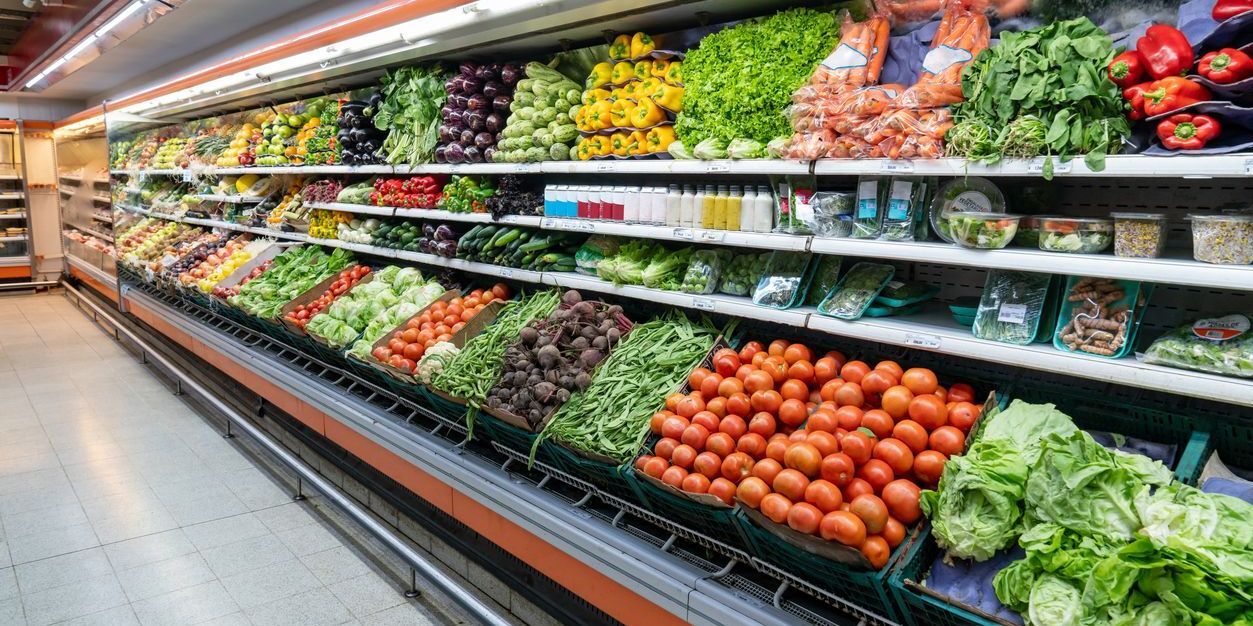
The perimeter of most grocery stores is where you will typically find whole and minimally processed foods. Fresh vegetables and fruits, meat and seafood, eggs, and dairy form the foundation of a nutrient-dense diet.
When you start your shopping trip here, you anchor your cart in real food before moving into aisles filled with highly packaged options. That simple shift can reduce impulse purchases and help you build meals around ingredients rather than convenience items.
This does not mean avoiding the middle aisles altogether. There are excellent staples there, including olive oil, canned beans, canned tomatoes, frozen vegetables, nuts, seeds, and whole grains. The goal is awareness. Given that nearly three-quarters of grocery products are classified as ultra-processed, beginning with whole foods helps tip the balance in your favor.
Step 2: Prioritize protein at every meal.
Protein is one of the most important building blocks in your body. It supports muscle maintenance, hormone production, immune function, skin integrity, and even sleep regulation.
As we age, preserving muscle becomes even more important for metabolic health and longevity. Research from institutions like Harvard’s T.H. Chan School of Public Health emphasizes that adequate protein intake supports body structure and metabolic function, particularly as adults experience natural muscle loss over time.
I often encourage members to think about protein first when building a meal. Instead of asking, “What sounds good?” ask, “Where is my protein coming from?”
That might be eggs for breakfast, grilled chicken or lentils for lunch, or fish, tofu, or lean beef for dinner. Including quality protein can also improve satiety and help stabilize energy levels throughout the day, reducing afternoon crashes and unnecessary snacking.
/iStock-2260376545-modified-e771d298-f6ef-471c-8429-e9e48c1f16ce.jpg?width=1254&height=627&name=iStock-2260376545-modified-e771d298-f6ef-471c-8429-e9e48c1f16ce.jpg)
Step 3: Choose seasonal produce.
Modern supply chains allow us to buy almost any fruit or vegetable at any time of year. While that convenience is remarkable, it can distance us from the natural rhythms of food.
Seasonal produce is often fresher and more flavorful. Because it typically spends less time in long-distance transport and storage, it may also retain more of its nutrient content. Research has shown that fruits and vegetables begin losing certain vitamins soon after harvest, meaning time and storage conditions matter.
Shopping seasonally can be as simple as noticing what is abundant and well-priced. Tomatoes and berries in the summer. Squash and root vegetables in the fall. Leafy greens in the spring.
Farmers' markets and community-supported agriculture programs are wonderful ways to reconnect with what is growing in your region. Even in traditional grocery stores, looking for in-season produce can elevate both nutrition and taste.
Step 4: Read food labels with intention.
Food packaging is designed to capture attention. The Nutrition Facts panel and ingredient list tell the real story.
With ultra-processed foods making up more than half of the average American’s calorie intake, learning to interpret labels is one of the most powerful skills you can develop.
When reading a label, look at:
- Protein content
- Fiber content
- Added sugars
- Sodium levels
- The length and complexity of the ingredient list
Reading labels helps you separate truly nourishing staples from products that are mostly marketing. It puts you back in the driver’s seat so you can choose foods that align with your health goals, not just what looks appealing on the front of the package.
Ultra-processed products often contain added sugars, refined starches, emulsifiers, and preservatives designed to enhance flavor and shelf life. In contrast, minimally processed foods tend to have shorter, recognizable ingredient lists.
At the same time, not every item in a box or can is unhealthy. Canned beans, frozen vegetables, plain Greek yogurt, oats, and olive oil are excellent staples. The goal is not to avoid aisles. It is to shop with confidence and clarity.
/iStock-517468826-modified-5e1cd564-ab27-4ca0-8c8a-69db705aeb94.jpg?width=1244&height=622&name=iStock-517468826-modified-5e1cd564-ab27-4ca0-8c8a-69db705aeb94.jpg)
Step 5: Create a personal food challenge.
Healthy eating habits are built through curiosity and small experiments.
If you find yourself buying the same refined grains or convenience items each week, consider setting a personal challenge. Expanding variety, especially within whole food groups like vegetables, legumes, and whole grains, is consistently associated with better nutrient intake and overall diet quality.
You might challenge yourself to try:
- A new whole grain
Swap white rice or pasta for quinoa, farro, or steel-cut oats to support better blood sugar control and heart health. - A fiber-rich legume
Add lentils, black beans, or chickpeas to boost plant protein and fiber linked to lower heart and diabetes risk. - A different leafy green
Pick up arugula, Swiss chard, or bok choy for a concentrated source of antioxidants and minerals. - A fermented food
Choose plain Greek yogurt, kefir, sauerkraut, or kimchi to support gut health and metabolic balance. - A seasonal vegetable you’ve never cooked
Roast kohlrabi or grill garlic scapes in the spring, and sauté Romanesco or roast delicata squash in the fall for flavorful, nutrient-rich options packed with fiber.
Growth does not happen overnight. It happens one new ingredient at a time.
/iStock-1344525151-modified-c4394918-3696-43e5-8471-46fcf63d53af.jpg?width=1254&height=627&name=iStock-1344525151-modified-c4394918-3696-43e5-8471-46fcf63d53af.jpg)
Step 6: Enjoy and get creative.
Food is fuel, but it is also connection, culture, and creativity.
When grocery shopping becomes intentional, it stops feeling restrictive and starts feeling empowering. You are choosing foods that support your energy, your muscle health, your metabolism, and your long-term well-being.
Healthy does not have to mean boring. It can mean colorful produce, new spices, shared meals, and discovering flavors you genuinely enjoy.
If you have ever wondered whether you are buying the wrong foods, start with one of these six steps. You do not need to overhaul everything in your cart. Small, thoughtful shifts in how you shop can create meaningful improvements in how you feel.
And that is where lasting health begins.
Follow Us on Social for More Health Insights
If you found this helpful, we share practical, research-informed guidance like this across our social channels. Follow PartnerMD for more insights from our physicians and health coaches to help you shop smarter, eat better, and support your long-term health.
/Copy%20of%20Socials%20CTA%20(771%20x%20111%20px).png?width=771&height=111&name=Copy%20of%20Socials%20CTA%20(771%20x%20111%20px).png)
Topics:
