

Updated: August 3rd, 2026 | Published: June 25th, 2024
5 min. read
Interested in joining PartnerMD? Click below to talk to a member of our team.
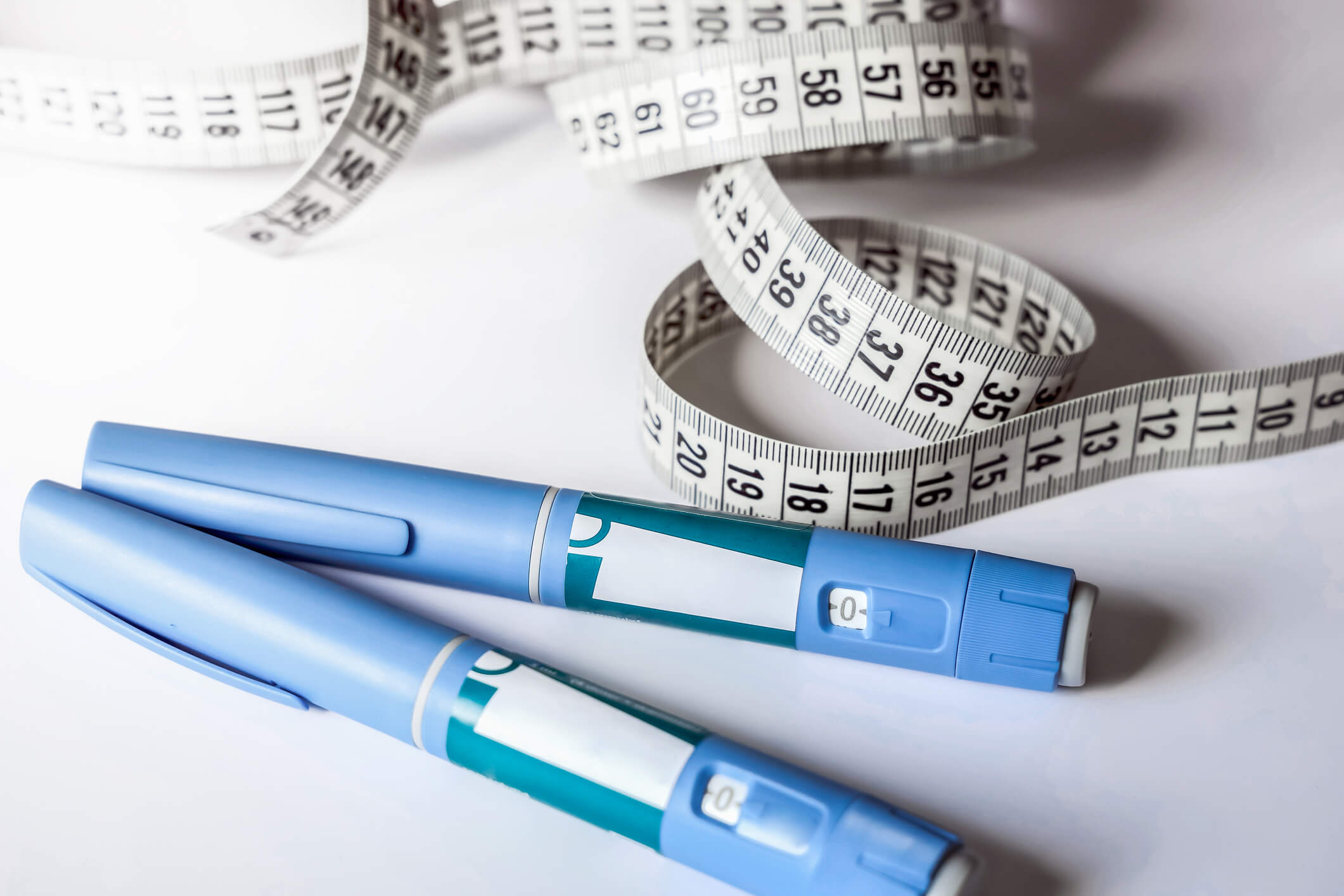
Are you trying to lose weight but can’t seem to shed the pounds? You are not alone. This is a common frustration for millions of people who are trying to diet and exercise.
This struggle often leads people to explore additional options, including weight loss medications like Ozempic, Wegovy, Zepbound, Mounjaro, and Foundayo.
In 2024, only 3% of U.S. adults were reported taking GLP-1 medications for weight loss purposes. That number has nearly quadrupled since then, rising to 11% in 2026.
These medications have soared in popularity over the last few years due to their success in helping with weight loss. Their potential uses continue to grow, with research looking into benefits for metabolic dysfunction-associated steatohepatitis (MASH), chronic kidney disease (CKD), and cardiovascular outcomes.
Clinical trials have shown that newer GLP-1 medications can help people lose approximately 10% to 21% of their body weight over one to two years when combined with healthy lifestyle changes, depending on the medication and dose.
In this article, we'll discuss:
-
The different types of weight loss medications, including incretins, appetite suppressants, and drugs that interfere with nutrient absorption.
-
How effective weight loss medications are when combined with healthy eating, regular physical activity, and ongoing medical support.
-
The common side effects and potential risks associated with these medications.
-
Why the steps you take matter most in your progress and sustainability of fat loss while on weight loss medications.
- How research continues to evolve, including the emergence of a new generation of triple-hormone receptor agonists ("GLP-3s"), such as retatrutide.
What Are the Common Types of Weight Loss Medications and How Do They Work?
Understanding the differences between types of medications is important for anyone considering this path to weight loss.
We’ll discuss three main categories: incretins, appetite suppressants, and drugs that interfere with nutrient absorption. Each works through unique mechanisms that can help you achieve your goals.
-2.png?width=1200&height=600&name=Untitled%20design%20(1)-2.png)
1. Incretins
Incretins are gut hormones that aid in digestion and blood sugar control, including glucagon-like peptide-1 (GLP-1) and glucose-dependent insulinotropic polypeptide (GIP).
Incretin-based medications mimic or enhance these hormones, helping regulate insulin and blood sugar levels. Besides being used for weight loss, they are particularly effective for individuals with type 2 diabetes and are either administered by injection or taken as a pill.
Various types include:
-
Semaglutides – Ozempic, Wegovy, and Rybelsus
-
Tirzepatides – Mounjaro and Zepbound
-
Liraglutides – Victoza and Saxenda
While each medication works differently, they are effective in targeting the body's natural appetite and blood sugar regulation systems to help support long-term weight management. They do this by:
- Helping you feel full after eating, reducing the desire to eat more.
- Slowing down how quickly your stomach empties, so you can stay fuller for longer.
- Enhancing your body's response to insulin, crucial for controlling blood sugar levels.
2. Appetite Suppressants
Appetite suppressants are non-incretin-based medications that reduce appetite directly and can be effective for weight loss. These medications are administered in tablet form. Examples include Contrave and Qsymia.
- Contrave – Contains bupropion and naltrexone. Bupropion reduces hunger, while naltrexone prevents the brain from counteracting this effect.
- Qsymia – Contains phentermine and topiramate. Phentermine reduces hunger, and topiramate helps by preventing the brain from overriding this reduction in appetite.
3. Drugs That Interfere With Nutrient Absorption
These medications prevent fat absorption in the small intestine, allowing the calories from fat to pass into the colon instead of being absorbed into the body.
Because they reduce fat absorption, a low-fat diet is encouraged. While this category is less commonly used than newer weight loss medications, it remains an FDA-approved option for some individuals.
How they work:
- Xenical – Blocks some of the fat you eat, preventing it from being absorbed into your body. This prescription is stronger than Alli.
- Alli – Decreases the amount of dietary fat absorbed in your intestines. By understanding these categories and how they function, individuals can better choose the most appropriate medication for their weight loss journey.
- Plenity – Though not technically a medication, this prescription-only pill contains cellulose and citric acid, which work to expand your stomach and small intestine to promote feelings of fullness.
Alli: Decreases the amount of dietary fat absorbed in your intestines.
How Effective Are Weight Loss Medications?
When considering weight loss medications, it's essential to understand their effectiveness, potential side effects, and associated risks.
Weight loss medications can be highly effective, but results vary depending on the medication, dosage, and lifestyle habits.
The greatest success occurs when medications are combined with healthy eating, regular physical activity, and ongoing medical support.
In clinical trials, those taking a semaglutide, such as Wegovy, lost an average of about 15% of their body weight. This is roughly 30 to 35 pounds for someone who weighs around 220 pounds, when combined with healthy lifestyle changes.
What Are the Common Side Effects of Weight Loss Medications?
While weight loss medications can be beneficial, they can also come with a range of side effects, including ones that are short or long-term, as well as ones that are less common.
It's crucial to be aware of these potential issues before starting any medication:
- Muscle loss – Some medications can cause significant muscle loss, accounting for 20 to 40% of the weight lost. This is one of the most crucial aspects when starting a weight loss medication due to your body losing a good amount of lean mass. The goal isn't simply to lose weight. It's to lose fat while maintaining muscle that supports strength, mobility, metabolism, and long-term health.
- Gastrointestinal issues – Side effects can include diarrhea (if fat intake is high), bloating, constipation, heartburn, and stomach problems.
Less common side effects include:
- Migraines or headaches
- Kidney problems or even failure
- Gallbladder problems due to the medications slowing how often the gallbladder empties
- Pancreatitis, which is the inflammation of the pancreas. This is one of the most serious, although uncommon, side effects. Using medications properly significantly reduces the chance of this occurring.
- A large drop in blood sugar levels known as Hypoglycemia. This can happen particularly with medications affecting insulin levels.
As part of monitoring how your body reacts to the medications, your physician will have you complete regular blood testing. It's also important to discuss these potential side effects and monitor adverse reactions closely.
What are the Risks Associated With Weight Loss Medications?
Risks are always a possibility with any medication. There are a few critical points to consider:
- Medication may not work for everyone. Individual responses to these medications can widely vary.
- Since weight loss medications reduce appetite, nutrient deficiencies can happen. People may find themselves unintentionally eating too little or fail to consume enough protein, vitamins, and minerals.
- Reduced food intake means an increase in dehydration. Drinking plenty of water or hydration drinks like Pedialyte and Gatorade can help keep this at bay.
- Research is constantly emerging, and for some newer weight loss medications, there isn't enough long-term data to provide a definitive answer regarding their long-term safety and effectiveness.
With these in mind, it's vital to have a thorough discussion with your physician to weigh the benefits and risks based on your specific health needs and conditions. This way, you can make a more informed decision about whether weight loss medications are the right choice for you.
Sustainability: The Steps You Take Matter Most
The sustainability of weight loss medications depends on several factors, including where you start and your lifestyle habits.
Weight loss medications are designed to support long-term weight management, not provide a quick fix.
In order to truly get the most out of them, proper maintenance including protein intake, resistance training for retaining muscle mass, and monitoring the rate of your weight loss are essential.
By combining these medications with a healthy diet and regular exercise, you can significantly enhance the medication's positive health impacts and increase the chances of long-term success.
-1.png?width=1200&height=600&name=Untitled%20design%20(2)-1.png)
Simply put, the more you commit to a healthy lifestyle and prioritize your progress, the more effective these medications are likely to be.
On the other hand, medication dependency can also come into the mix.
If you rely on just the medication alone without changes to your lifestyle, some weight regain is common once you stop taking it. That is why building healthy habits alongside medication is important, not relying on medication alone.
How Weight Loss Medications Continue to Evolve
We've discussed semaglutide, tirzepatide, and liraglutides, but a new wave is on the horizon. "GLP-3's" are a part of the newest generation.
These triple-agonist medications target the three hormone receptors, GLP-1, GIP, and glucagon, to enhance weight loss and blood sugar control.
Unlike any medication that has been introduced in the weight loss community, the most advanced example is retatrutide by Eli Lilly, according to recent clinical trial outcomes.
Discuss Weight Loss Medications With Your Physician for More Insight
Weight loss medications can be a helpful tool in your journey to a healthier weight, but they're not a magic solution.
With so many brands and types emerging, it's important to discuss weight loss medications with your physician to find what works best with you and your health goals.
With the support from your physician and health coach, you can create a plan that is right for you. By consistently incorporating essential nutrients and protein into your diet, regularly moving your body, and paying attention to your progress and habits, you can build a solid foundation for yourself while taking weight loss medications.
Follow PartnerMD for More Weight Loss News and Updates
If you found this information helpful and are curious about emerging weight loss medications and findings, follow PartnerMD on social media for more physician-backed insights on weight management, nutrition, preventive care, and the latest healthcare research.
/Copy%20of%20Socials%20CTA%20(771%20x%20111%20px).png?width=771&height=111&name=Copy%20of%20Socials%20CTA%20(771%20x%20111%20px).png)
