


If you've been searching for different ways to lose weight, improve your nutrition or better manage your blood sugar, you've likely come across eating plans such as the Mediterranean diet or the ketogenic (keto) diet.
Interest in low-carbohydrate eating remains a popular approach. A recent survey found that 28% of U.S. adults planning to start a diet said they intended to try a low-carbohydrate diet, such as keto, Atkins, or South Beach.
But what exactly is the keto diet, and could it be right for you?
As a health coach at PartnerMD, I frequently answer questions from members about the keto diet, helping them understand how it works, what it involves, and whether it's a realistic fit for their lifestyle and goals.
If you're curious about keto and searching for more details, you're in the right place. In this guide, we'll go over:
- What the keto diet is and how it originated as a medical therapy for epilepsy.
- Why keto might not be right for everyone, including who may benefit and who should avoid it.
- Potential risks to consider before getting started.
- The process of ketosis and how it works as your body adjusts to the diet.
- Important guidelines to follow for getting the most out of keto.
- The different types of keto diets to choose from, all designed for different goals and lifestyles.
What Is the Keto Diet?
Unlike many eating plans that focus on calorie-reduction, the keto diet changes the way your body uses energy. Most calories come from healthy fats, while protein is consumed in moderate amounts and carbohydrates are kept very low.
Originally developed in the 1920s as a medical therapy for children with difficult-to-control epilepsy, the keto diet has become increasingly popular for weight loss and blood sugar management.
Is It Right for You?
Like any eating plan, keto isn't the perfect fit for everyone. Whether it's right for you depends on your health goals, medical history, and individual needs.
Who Could Benefit From Keto?
The diet may particularly benefit those who:
- Want to lose weight and are looking for a low-carbohydrate eating plan.
- Have prediabetes or type 2 diabetes and are working with their physician to improve blood sugar management.
- Have epilepsy, as the diet continues to be used as a medically supervised treatment for some seizure disorders.
- Are trying to prevent, optimize, or navigate cognitive decline.
However, some people may need to avoid the diet or follow it only under the guidance of a healthcare professional.
Who Should Avoid Keto?
Keto may not be appropriate for people with the following health conditions:
- Type 1 diabetes
- Kidney, liver, or pancreatic disease
- Pregnant or breastfeeding
- A history of eating disorders
- Rare metabolic or genetic disorders
Before making significant changes to your eating habits, talk with your physician to determine whether it's a safe and appropriate choice for you.

What Are the Risks?
When considering the diet, keep the following risks in mind:
- Keto flu – Some people may experience headaches, dizziness, brain fog, muscle cramps, or nausea in the first few days to weeks as the body adapts to ketosis.
- Nutrient deficiencies – Restricting fruits, whole grains, and legumes can make it more difficult to get enough fiber, vitamins, and minerals.
- Digestive issues – Lower fiber intake may contribute to stomach upset.
- Cholesterol changes – Some people may experience an increase in LDL ("bad") cholesterol.
- Medication interactions – People with diabetes or high blood pressure may need medication adjustments as their diet changes.
While not everyone experiences these side effects, understanding them can help you prepare for the challenges that may come with the keto diet.
What Is Ketosis? How Does It Work?
Ketosis is a natural metabolic state where the body burns fat for fuel instead of carbohydrates. Most people enter ketosis within two to four days of significantly restricting carbohydrates, but the timeline varies depending on metabolism, activity level, and intake.
When you significantly reduce your carbohydrate intake, your body no longer has enough glucose to meet its energy needs. It first turns to glycogen, the stored form of glucose found in your liver and muscles. Once those glycogen stores are depleted, your body shifts to burning fat.
As this happens, the liver produces molecules called ketones, which provide an alternative source of energy for the brain, heart, muscles, and other organs. This allows your body to continue functioning even when carbohydrates are limited.

Diet Rules To Follow for the Keto Diet
Curious about how to prepare your meals and routine for the keto diet? Make sure to follow these guidelines:
1. Severely Limit Your Carbohydrate Intake
The main goal of the diet is to drastically reduce your carbohydrate intake to encourage your body to stay in ketosis.
The standard carbohydrate consumption amount for most individuals is 20 to 40 grams of net carbohydrates per day, although individual needs may vary. To stay in ketosis, it's important to keep your daily carbohydrate intake below 50 grams. This amount is equivalent to about three slices of bread or one cup of cooked pasta.
High-carbohydrate foods to avoid include:
- Bread, pasta, rice, and cereals
- Potatoes and other starchy vegetables
- Sugar drinks and desserts
- Most fruits
- Beans and legumes
- Processed snack foods
Fruits that are lower in carbohydrates may be consumed in small portions, such as strawberries, raspberries, and blackberries.
2. Make Fat Your Primary Source of Calories
While many diets emphasize reducing fat and calories, the keto diet relies on fat to fuel your body. Healthy fat sources include:
- Avocados
- Olive oil
- Nuts and seeds
- Fatty fish, such as salmon and mackerel
- Eggs
- Cheese and full-fat dairy, if tolerated
For people who aren't able to have dairy, there are a variety of recipe options available to stay consistent while incorporating dietary restrictions.
3. Eat Moderate Amounts of Protein
Although protein is an important part of the diet, it's not meant to be consumed in excessive amounts. Maintaining a moderate amount of protein helps preserve muscle mass and support normal body functions.
Protein options include:
- Chicken
- Turkey
- Beef
- Pork
- Seafood
- Eggs
The recommended amount of protein consumption per day for adults is roughly 70 to 120 grams, although individual needs vary based on age, body size, activity level, and health goals.
4. Choose Low-Carbohydrate Vegetables
During keto, it's essential to opt for non-starchy vegetables over starchy ones such as potatoes, peas, and corn. Non-starchy options provide fiber, vitamins, and minerals while keeping your carbohydrate intake low. A few varieties include:
- Leafy greens
- Broccoli
- Cauliflower
- Zucchini
- Asparagus
- Bell peppers
.png?width=1200&height=600&name=Blog%20Images%20for%20Download%20(3).png)
5. Avoid Added Sugars
Foods and beverages with added sugars can quickly raise blood sugar and interfere with ketosis, therefore, they are eliminated as part of the diet. Added sugars are found in candy, cookies and cakes, sweetened beverages, ice cream, syrups, and sweetened coffee drinks.
6. Stay Hydrated and Replace Electrolytes
As your body adapts to the keto diet, it loses water and electrolytes more rapidly.
During ketosis, your body uses up its stored carbohydrates while lower insulin levels cause it to lose more sodium and fluids, increasing your need for hydration.
Drinking plenty of fluids and consuming adequate sodium, potassium, and magnesium can help reduce common symptoms of the transition to ketosis, such as headaches, fatigue, and muscle cramps.
Stay Conscious of Nutrition Labels and Whole Foods
Because carbohydrates can hide in sauces, dressings, condiments, and processed foods, people following a ketogenic diet should carefully read nutrition labels to monitor their intake.
When thinking about your next trip to the grocery store to look for keto-friendly foods, it can be a bit tricky. Although many processed foods are marketed as "keto-friendly," you should build meals around whole foods, including healthy fats, quality protein, and non-starchy vegetables whenever possible.
Even a single high-carbohydrate meal can interrupt ketosis, so consistency is important.
Types of Keto Diets
There are different types of keto diets to choose from, with each designed for different goals and lifestyles. Regardless of certain variations, if the diet is not keeping you in nutritional ketosis, you are not following a ketogenic diet.
1. The Standard Ketogenic Diet (SKD)
The standard ketogenic diet is the most common type and consists of a very low-carbohydrate, moderate-protein, and high-fat eating pattern, with carbohydrates limited to 20 to 50 grams of net carbs per day.
2. The Targeted Ketogenic Diet (TKD)
The targeted ketogenic diet allows for a small amount of additional carbohydrates before or after exercise to provide extra energy for high-intensity physical activity. It's often used by athletes or individuals with demanding exercise routines.
3. The Cyclical Ketogenic Diet (CKD)
The cyclical ketogenic diet alternates periods of strict keto eating with planned higher-carbohydrate days. Because it requires careful planning, it's most commonly used by experienced athletes or bodybuilders.
4. The High-Protein Ketogenic Diet
The high-protein ketogenic diet follows the same guidelines as the standard ketogenic diet but includes larger proportion of protein while keeping carbohydrates low. This type must be approached with caution, as an excessive amount of protein can get the body out of ketosis by gluconeogenesis, a complex metabolic process that enables the production of glucose from non-carbohydrate sources. 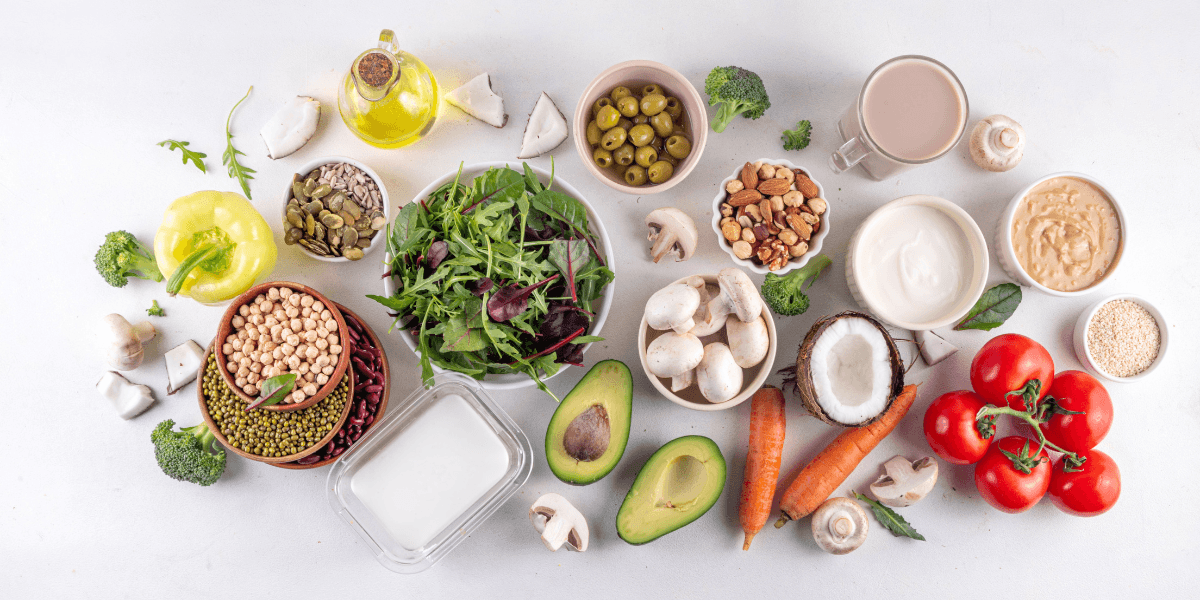
Making an Informed Decision About Keto
While keto can be an effective approach for some people, it isn't a one-size-fits-all solution. Like any eating plan, its success depends on your health, goals, and ability to maintain it over time.
Before making significant changes to your diet, talk with your physician to determine whether the diet is appropriate for your individual health needs and recommend an approach that is safe, balanced, and sustainable.
Follow PartnerMD for More Nutritional Insights
Whether you're interested in trying the keto diet or finding one that fits your goals, follow PartnerMD on social media to stay connected with our physicians and health coaches for evidence-based nutrition insights, healthy lifestyle inspiration, and expert insights to support your long-term health.
/Copy%20of%20Socials%20CTA%20(771%20x%20111%20px).png?width=771&height=111&name=Copy%20of%20Socials%20CTA%20(771%20x%20111%20px).png)
