

Updated: August 5th, 2026 | Published: July 1st, 2020
4 min. read

When we think of "detoxing" from sugar, we often think it means cutting it out completely. In reality, it's about recognizing hidden sugars, understanding cravings, and making sustainable lifestyle changes that gradually reduce the amount of sugar in your diet.
The average American consumes about 17 teaspoons (68 grams) of added sugar every day, adding up to approximately 60 pounds each year.
That's two to three times the amount recommended by the American Heart Association. Much of that sugar isn't coming from the sugar bowl. It's hiding in many of the everyday foods and beverages we consume.
As a health coach at PartnerMD, one of the most common topics I discuss with members is how to reduce sugar intake and build healthier eating habits.
Through guidance and personal lifestyle strategies, we work together to create changes that are realistic, sustainable, and tailored to each person's goals.
Key Takeaways
- Not all sugar is the same. Focus on reducing added sugars, not the naturally occurring sugars found in foods like fruit and milk.
- Recognize your cravings, read nutrition labels, and make mindful choices to gradually reduce your sugar intake.
- Sugar substitutes can be helpful tools, but they're best used to support healthy habits rather than as long-term replacements.
- Lasting health isn't built through quick fixes. It's built through small, consistent habits and informed choices over time.
Know the Difference Between Total and Added Sugar
Not all sugar is created equal. Sugar naturally occurs in foods like fruit, vegetables, and milk, where it comes packaged with nutrients your body needs. Added sugars, on the other hand, are incorporated into foods and beverages during processing to enhance sweetness, flavor, and texture.
When nutrition experts recommend cutting back on sugar, they're referring to added sugars. On the Nutrition Facts label, "Total Sugars" includes both naturally occurring and added sugars, while "Added Sugars" tells you how much sugar was added during processing.
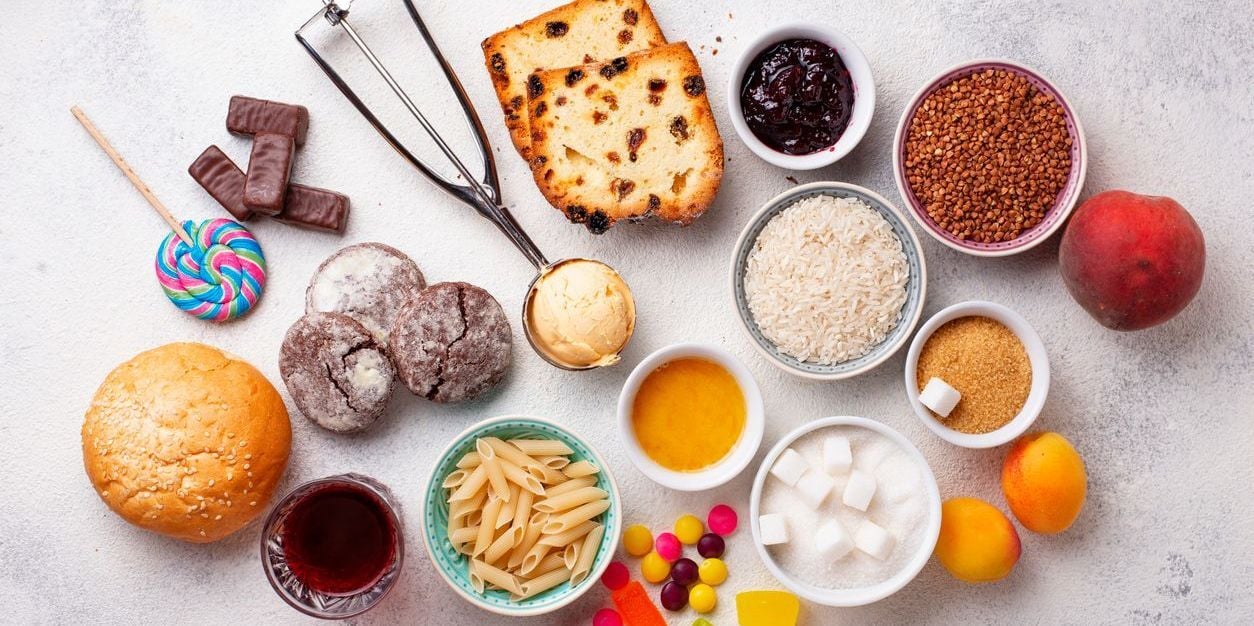
On average, adult men consume 19 teaspoons of added sugars, while adult women consume 15 teaspoons daily. Most of that sugar comes from ultra-processed packaged foods and drinks including:
- Breakfast cereals and granola
- Protein and snack bars
- Flavored oatmeal or yogurt
- Condiments like ketchup, barbecue sauce, and sweet salad dressings
- Packaged snack foods
- Sugar-sweetened beverages like soda, sports drinks, energy drinks, and sweet tea
- Ice cream and frozen desserts
Did You Know?
One 12-ounce can of soda contains nearly 10 teaspoons of added sugar. Drinking just one soda each day adds up to more than 14,000 grams (over 31 pounds) of sugar each year.
How Do You Reduce Your Sugar Intake?
Detoxing from sugar doesn't have to mean going cold turkey. There are a few simple ways to adjust your lifestyle habits and gradually reduce your sugar intake without feeling deprived.
Eat More Protein to Reduce Cravings
The protein leverage hypothesis suggests that when you eat enough protein, you're naturally less likely to overeat other foods. If your protein needs aren't met, your body may continue signaling hunger, making it easier to overconsume calorie-dense foods.
Maintaining adequate daily protein can help curb sugar cravings, help you stay satisfied, and make it easier to choose a filling meal or snack instead of foods high in added sugar.
Build Your Healthy Habit Muscle
Reducing added sugar isn't just about willpower. Like any healthy habit, it becomes easier with practice.
Think of your ability to say "no" to sugary foods as a muscle. Every time you choose a healthier option or pass on an unnecessary sweet treat, you're strengthening that muscle. Over time, these decisions become more automatic and require less effort.

Repeating healthy choices helps create new habits and weakens old ones. Instead of relying on motivation alone, you're training your brain to respond differently when cravings arise. Eventually, reaching for fruit instead of candy or water instead of soda can feel just as natural as your previous habits.
Inspect the Nutrition Label
Now that you know the difference between total and added sugar, put that knowledge to work when you're shopping. The next time you find yourself at the grocery store, take a closer look at the nutrition label and ingredient list. Ingredients such as glucose, fructose, dextrose, maltose, sucrose, and syrups are all forms of sugar, while the nutrition label tells you exactly how much total and added sugar you're getting in each serving. Even brown rice syrup, despite its healthy-sounding name, is an added sugar and may also contain higher levels of arsenic.
Decrease Sugar in Small Amounts
Maybe you're not ready to cut back on sugar all at once, and that's okay. Instead, focus on making gradual changes to decrease it over time. This could mean choosing foods with less sugar, setting a realistic weekly goal, or reducing the amount of sugar you add to recipes by half.
Shift Your Mindset
Change your viewpoint when it comes to sugar from "I can't have sugar" to "I'm choosing something that supports my health."
The next time you crave something sweet, take a moment to check in with yourself. Ask whether you're truly hungry or if you're reaching for sugar because you're stressed, bored, tired, or simply eating out of habit. Recognizing what is driving your craving can help you make a mindful choice.
Sugar Substitutes: What You Should Know
When it comes to limiting sugar intake, many people reach for sugar substitutes. These are food additives and plant-based substances that mimic the sweetness of sugar while containing fewer calories, and sometimes none at all. Substitutes are often found in food products labeled as "diet," "sugar-free," "keto," "reduced sugar," and are grouped into three categories: artificial sweeteners, sugar alcohols, and natural sweeteners.
-
Artificial sweeteners such as aspartame and sucralose. These are often used for baking or cooking to sweeten coffee, tea, or other beverages.
- Sugar alcohols like erythritol and xylitol. Normally synthetically produced, sugar alcohols are a type of carbohydrate derived from fruits and vegetables.
- Natural sweeteners such as stevia and monk fruit. Although not all are zero-calorie, they can benefit your blood sugar or calorie intake and can also be a source of vitamins and nutrients.
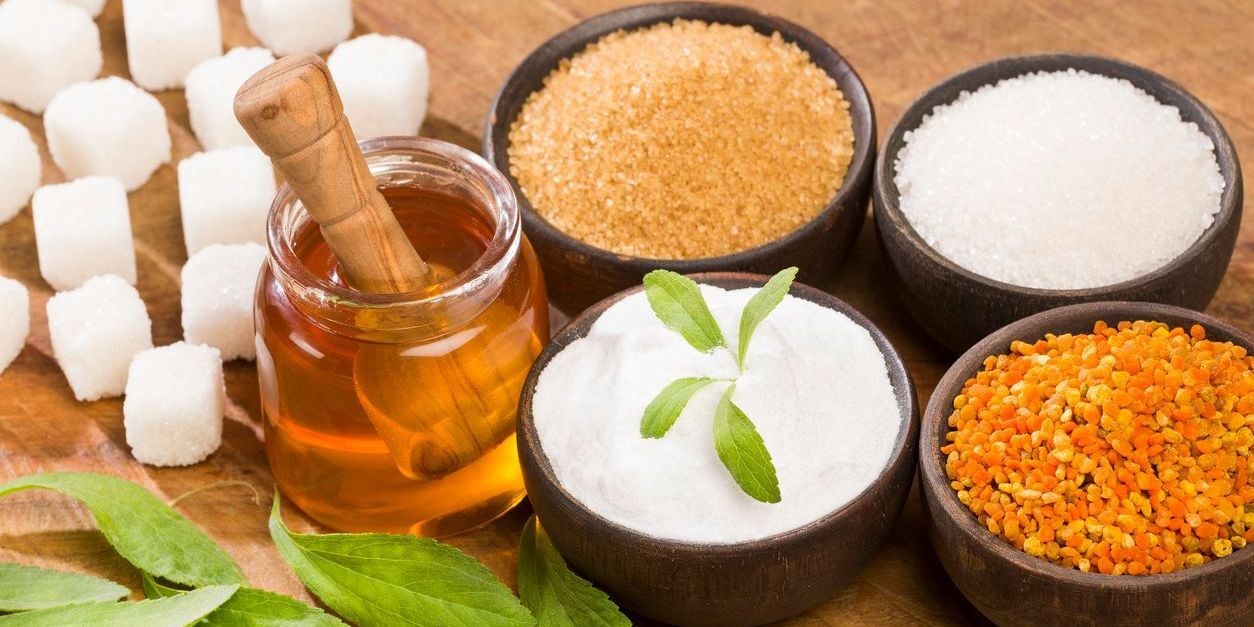
Each can help reduce sugar intake, but they're best viewed as tools rather than permanent replacements for healthy eating habits. Some people may experience digestive discomfort from sugar alcohols, while stevia may affect gut health.
A Sweeter Approach to Better Health
Adjusting your sugar habits doesn't have to mean cutting it out completely. By paying attention to your food choices, recognizing what triggers your cravings, and making gradual changes over time, you can reduce added sugar without feeling deprived.
Lasting health isn't built through quick fixes or restrictive diets. It's built through sustainable habits, informed choices, and a preventive approach that supports your health for years to come.
If you're looking for more practical strategies to build healthier habits, follow PartnerMD on social media for expert advice from our health coaches and physicians. From nutrition and fitness to preventive care and healthy living, we share resources to help you feel your best every day.
/Copy%20of%20Socials%20CTA%20(771%20x%20111%20px).png?width=771&height=111&name=Copy%20of%20Socials%20CTA%20(771%20x%20111%20px).png)
Topics:
